
Omnibus Survey Series


Over the past few years, consumers’ relationship with money has shifted from routine to reflective. Banking, saving, and investing are deeply tied to trust, stability, and long-term security.
In our 2025 Banking and Saving Omnibus, consumers signaled growing unease beneath the surface of widespread participation. Most people were banked. Many were saving. A majority held some form of investment. Yet confidence was fragile. Loyalty often existed because switching felt difficult, not because trust was strong. Retirement planning dominated financial goals, even as belief in achieving a secure retirement steadily eroded. Advice came less from institutions and more from personal networks, while financial education frequently failed to resonate.
One year later, those early signals are no longer theoretical.
Our 2026 edition of the Banking and Finance Omnibus builds on those insights to examine how financial attitudes are evolving into observable behaviors and what that evolution means for financial institutions today. Across the U.S. and Canada, we see generational differences widening, switching consideration becoming more active among younger consumers, and trust being redefined by service experiences, values alignment, and data security. Concerns about retirement persist, but they now reflect a deeper recalibration of expectations rather than short-term anxiety.
Methodology
The objective of the Omni Financial Services Study included:
- Understand banking usage, account switching behavior, and investment habits of adults in the US and Canada
- Assess sources of financial advice and attitudes toward financial planning
- Grow our knowledge from the previous 2024 research
Respondents were balanced by age, gender, income (including high-income households), andregion, additionally we:
- Verified participant residency in the US or Canada prior to survey completion
- Applied country-specific weighting to align samples with national demographic distributions
- Fieldwork was conducted October 2025
Banking Experiences and Switching
Switching Consideration Among Canadians

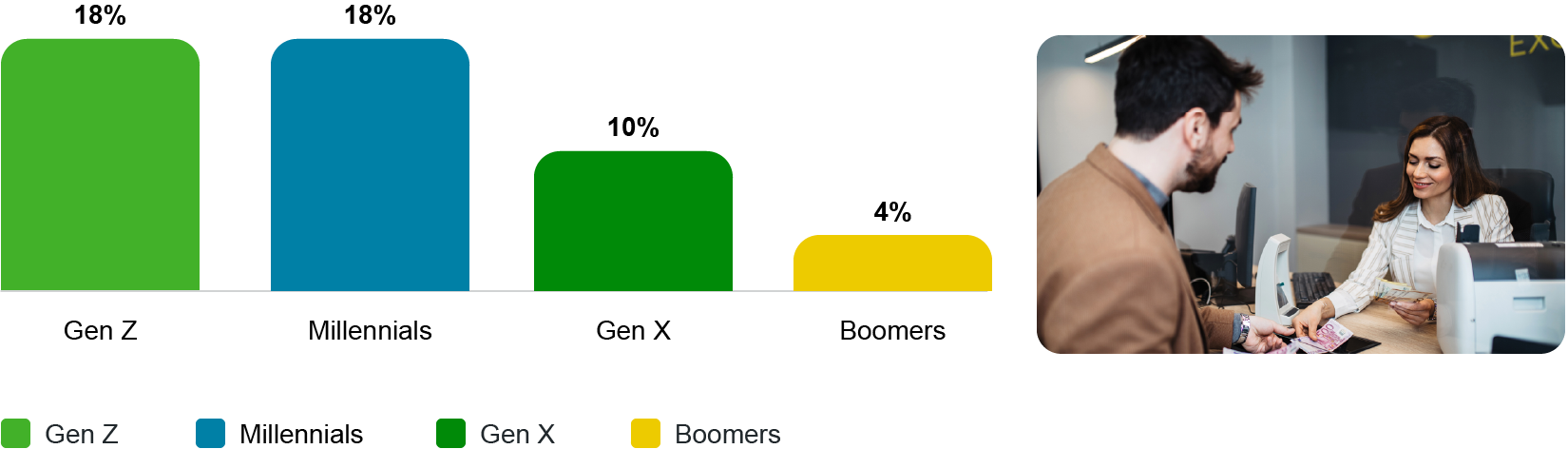
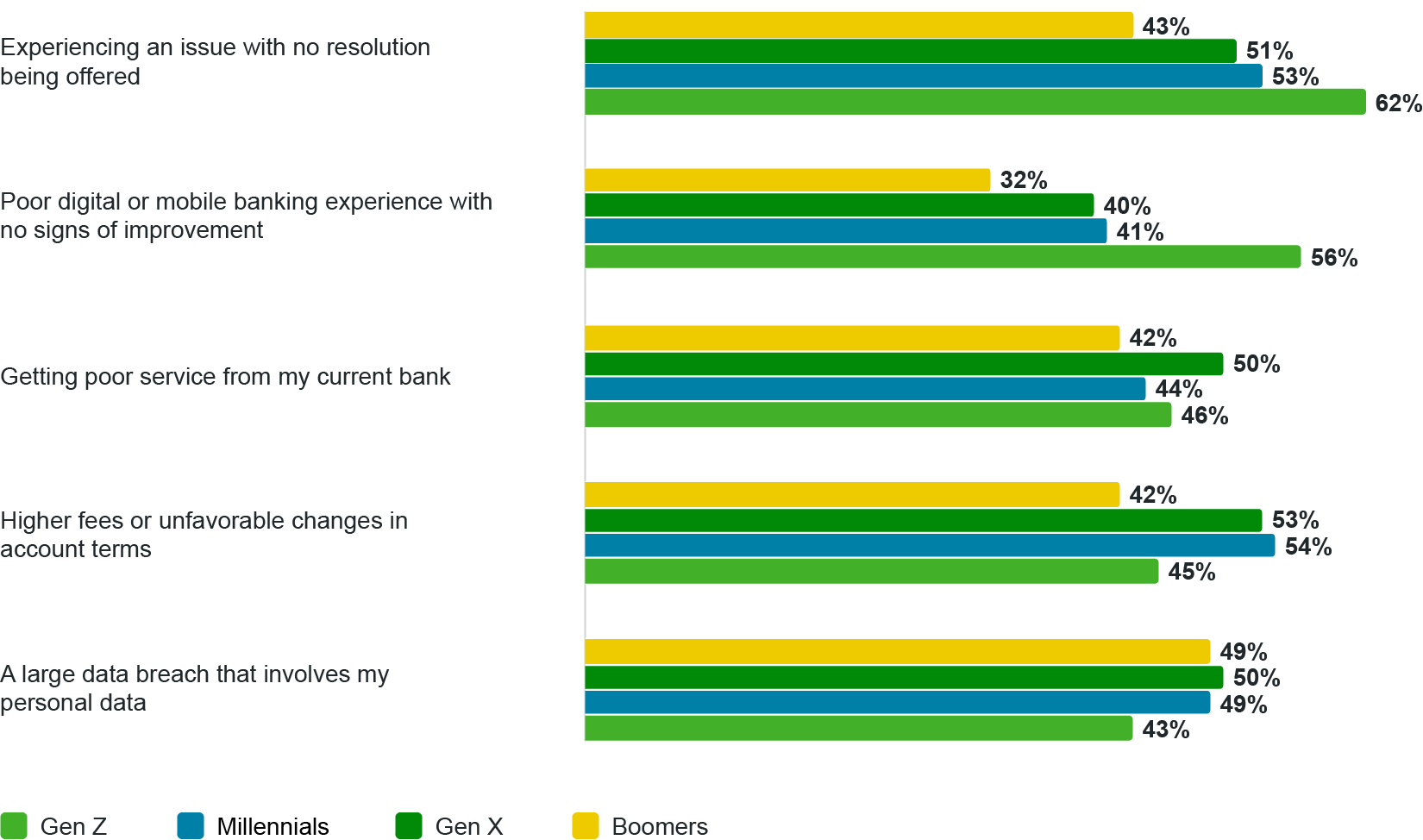
Gen Z and Millennials are the most likely to say they are considering switching their primary bank in the next 12 months. This is nearly double the rate of Gen X switching consideration, and over four times the rate of Boomer switching consideration. Gen Z are most likely to be driven by unresolved service issues, and Boomers are most likely to be driven by a personal data breach.
How Likely Are Canadians to Switch Their Primary Bank?
What Would Make Canadians Switch Their Main Bank?
Banking Experiences and Switching
Switching Consideration Among Americans

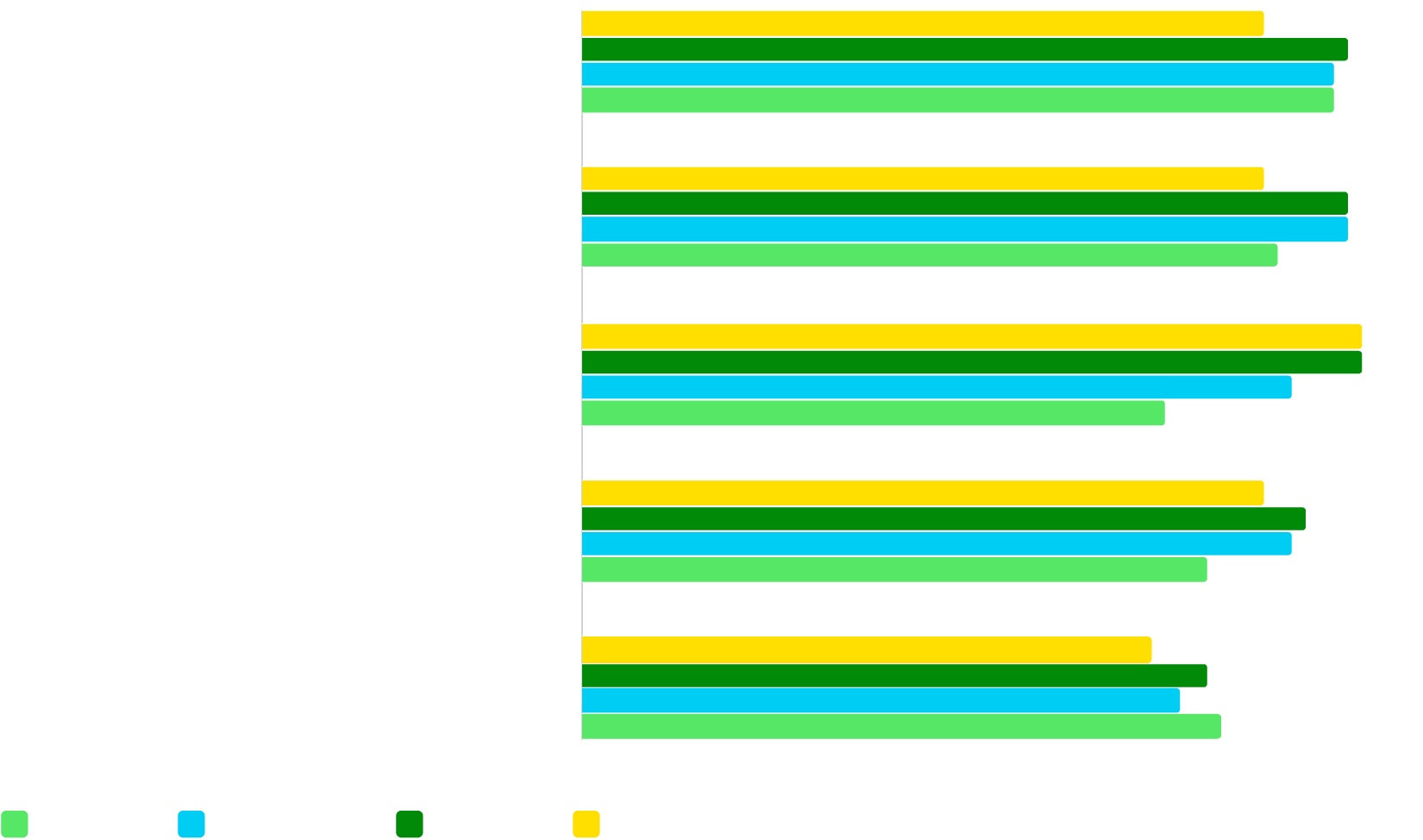
American Gen Z and Millennials are also the most likely to say they are considering switching their primary bank in the next 12 months and at higher rates than their Canadian counterparts. One in three Gen Z and one in four Millennials are considering switching. Boomers are the least likely to be considering switching but believe that experiencing an issue with no resolution offered would be the most likely switching motivator.
How Likely Are Americans to Switch Their Primary Bank?

What Would Make Americans Switch Their Main Bank?
Sources of Financial Guidance
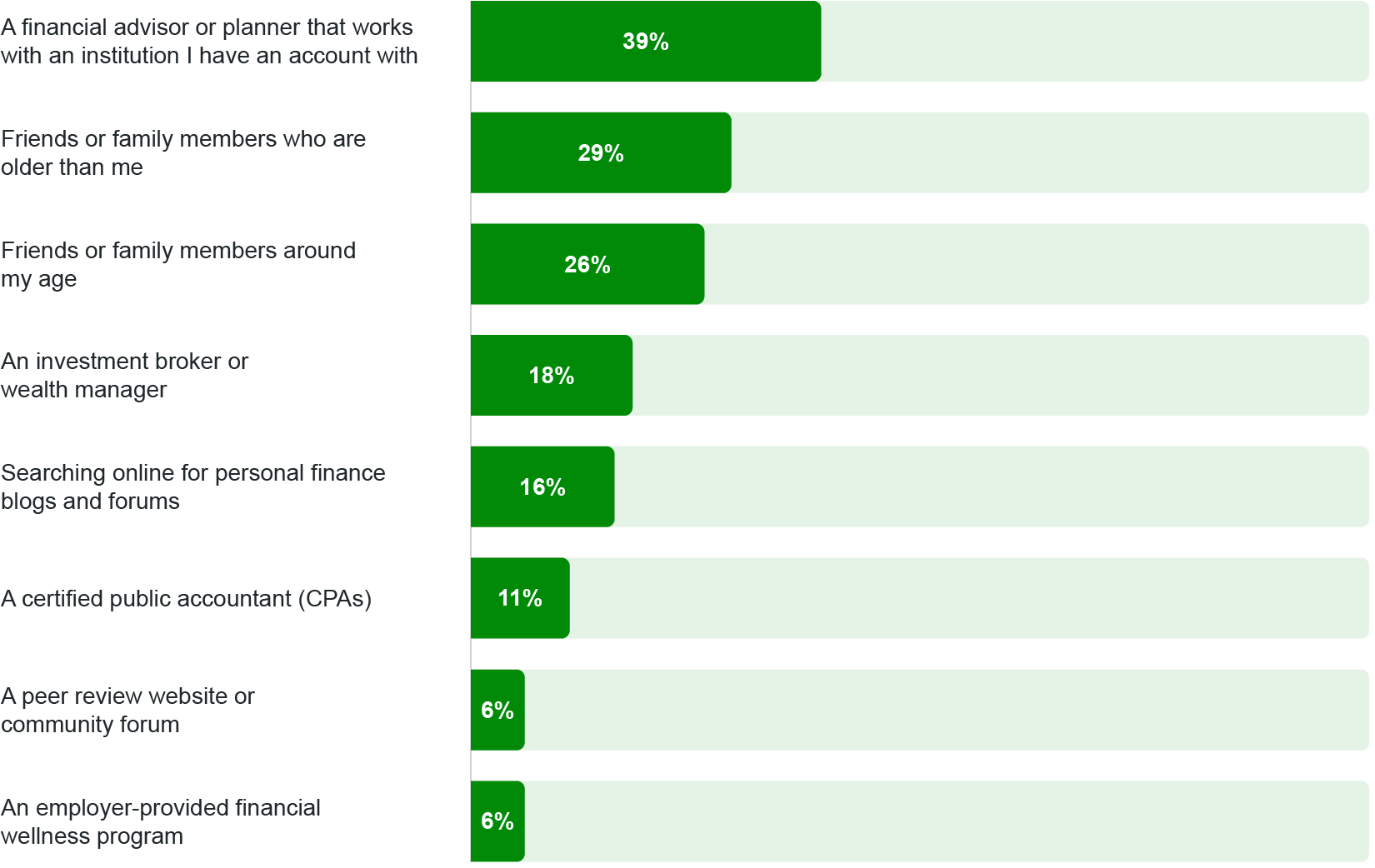
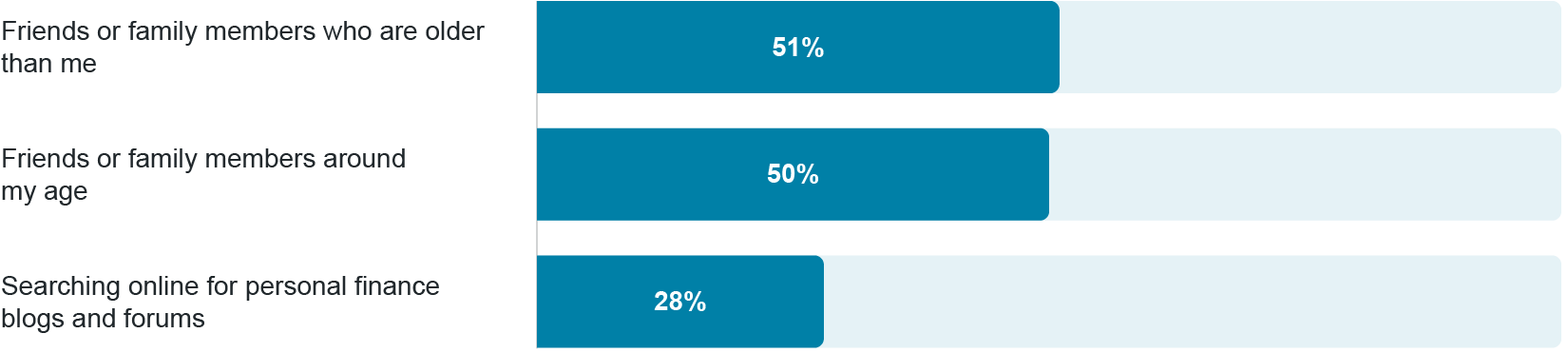
Where Canadians Turn for Financial Advice?
An advisor at their financial institution is the top source for Canadians, followed by older, same or younger age friends and family. Older generations lean towards professionals.
Gen Z – Top 3 Sources
Sources of Financial Guidance
Where Americans Turn for Financial Advice?
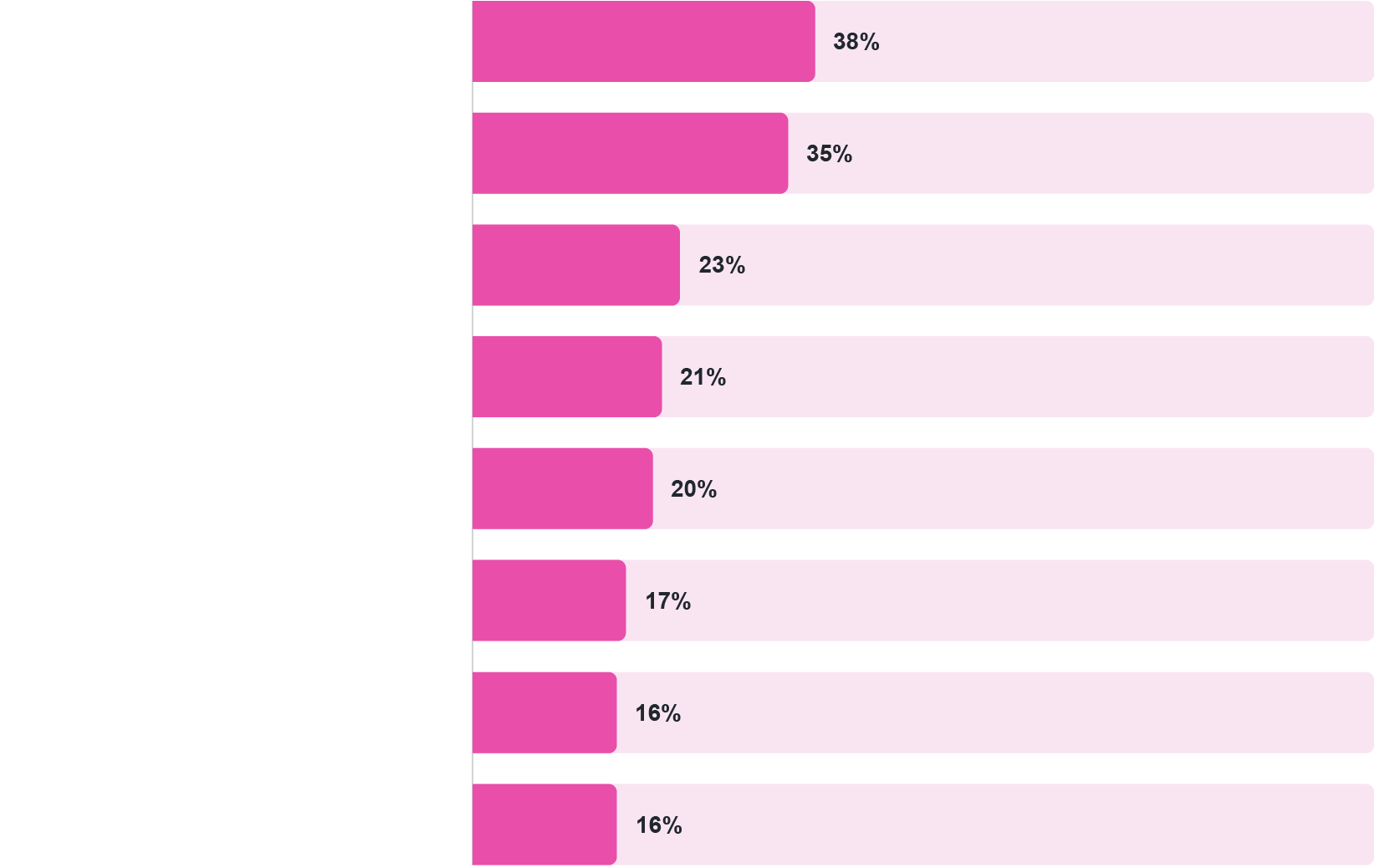
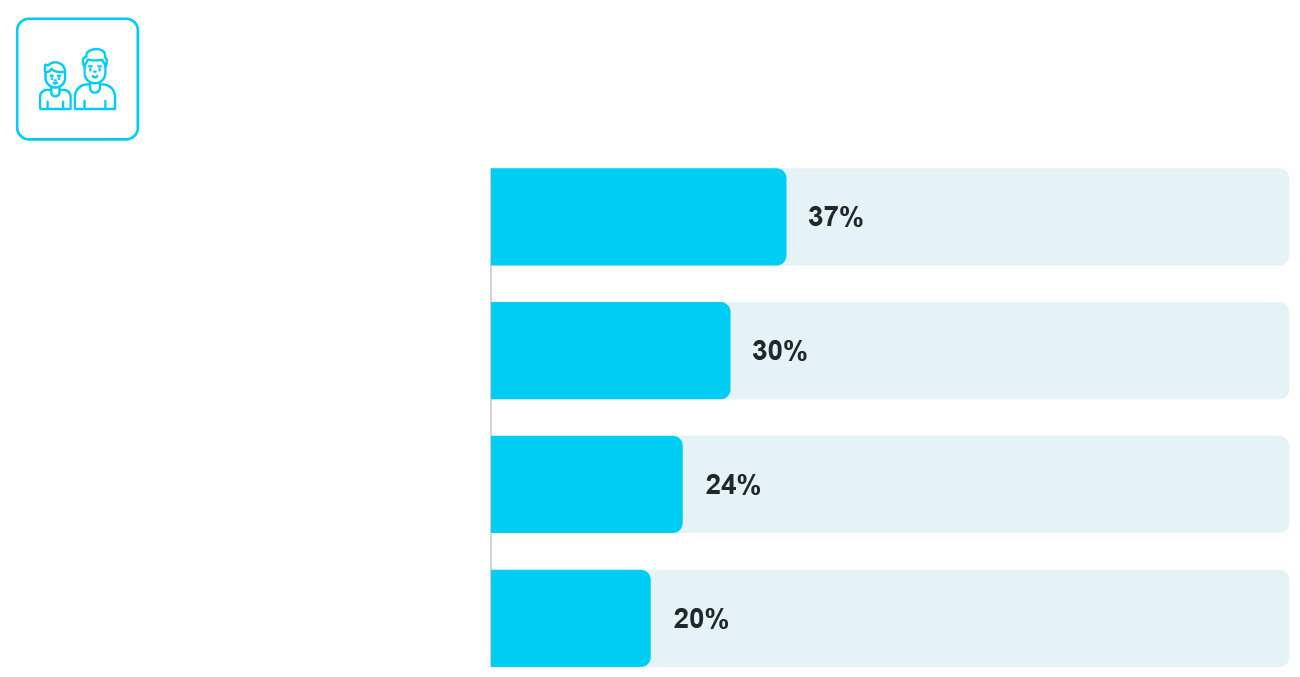
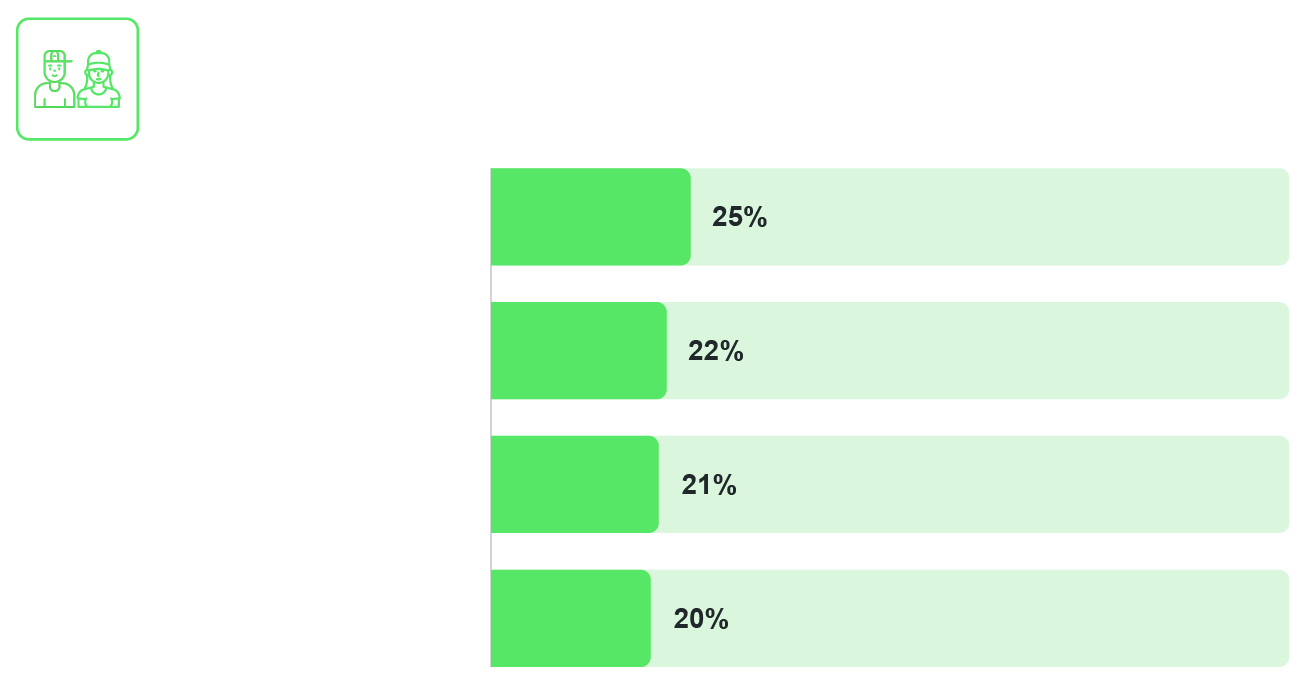
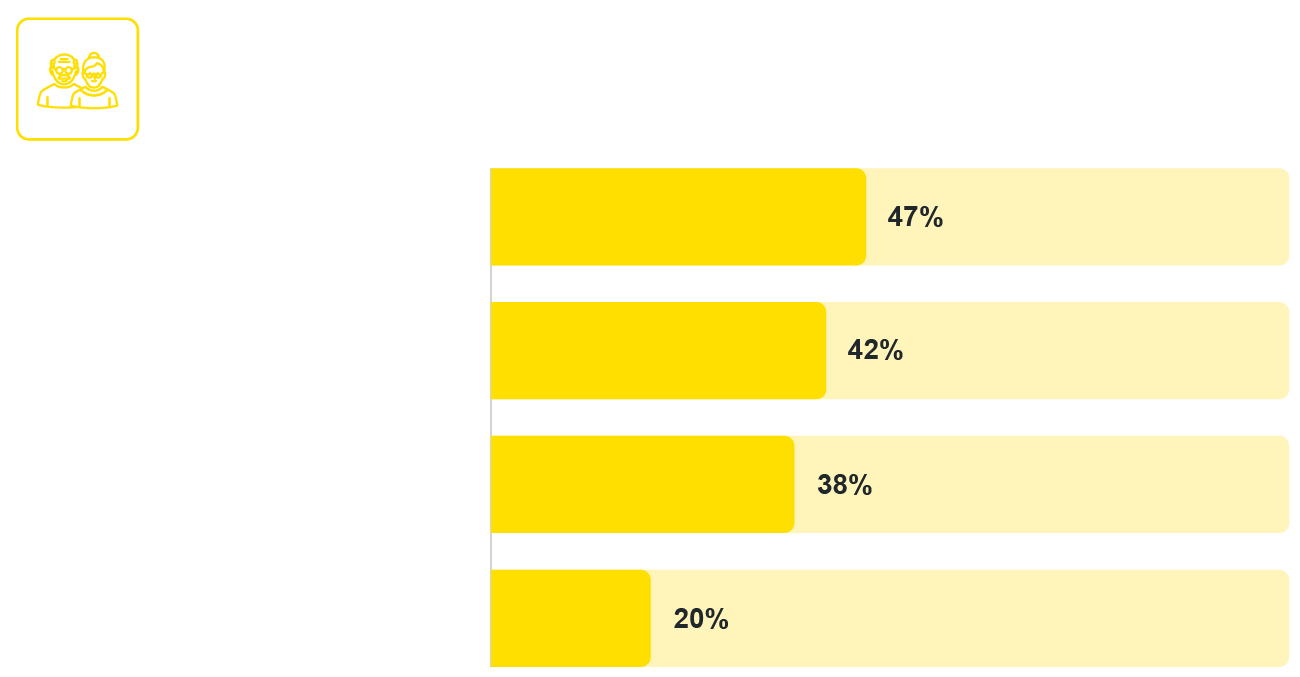
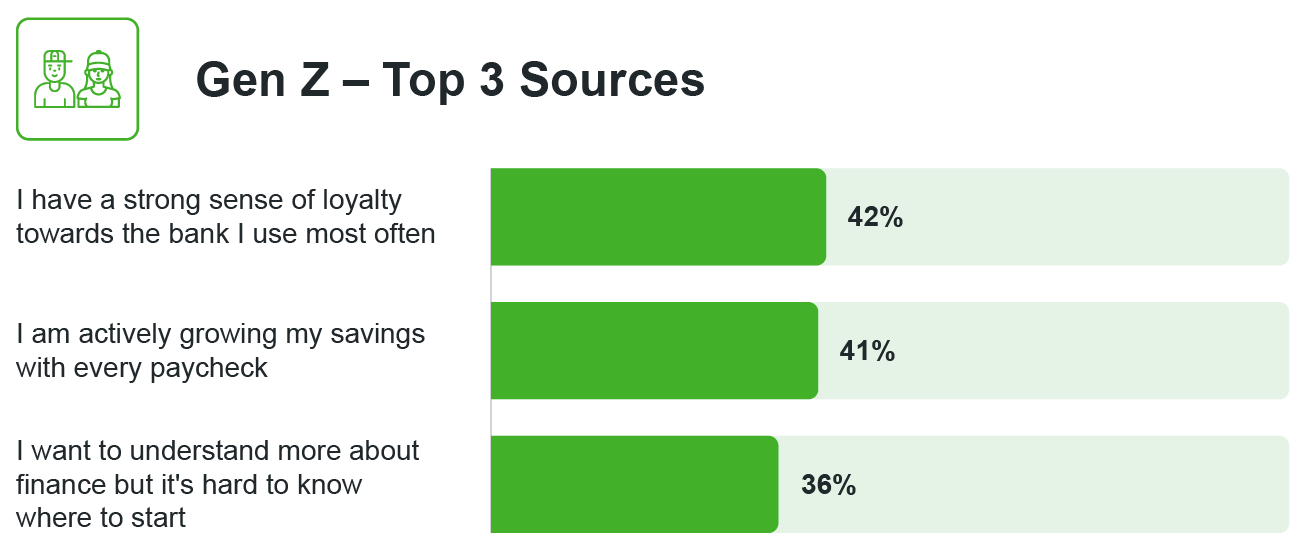
US respondents prioritize older friends and family members, and same age friends and family. Younger generations lean towards for older friends or peers, and older generations have a preferences for advisors.
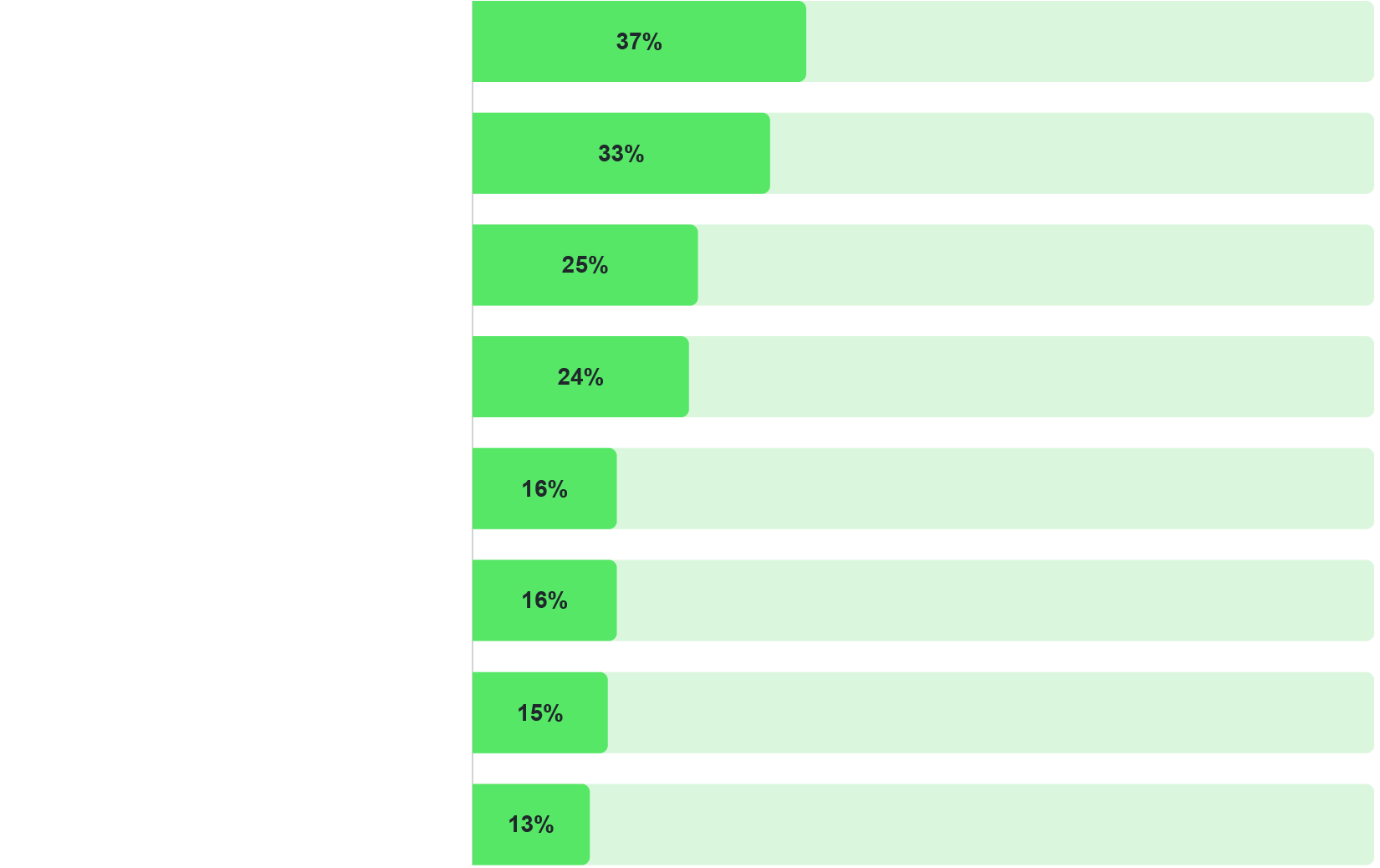
Gen Z – Top 3 Sources

Investments and Goals
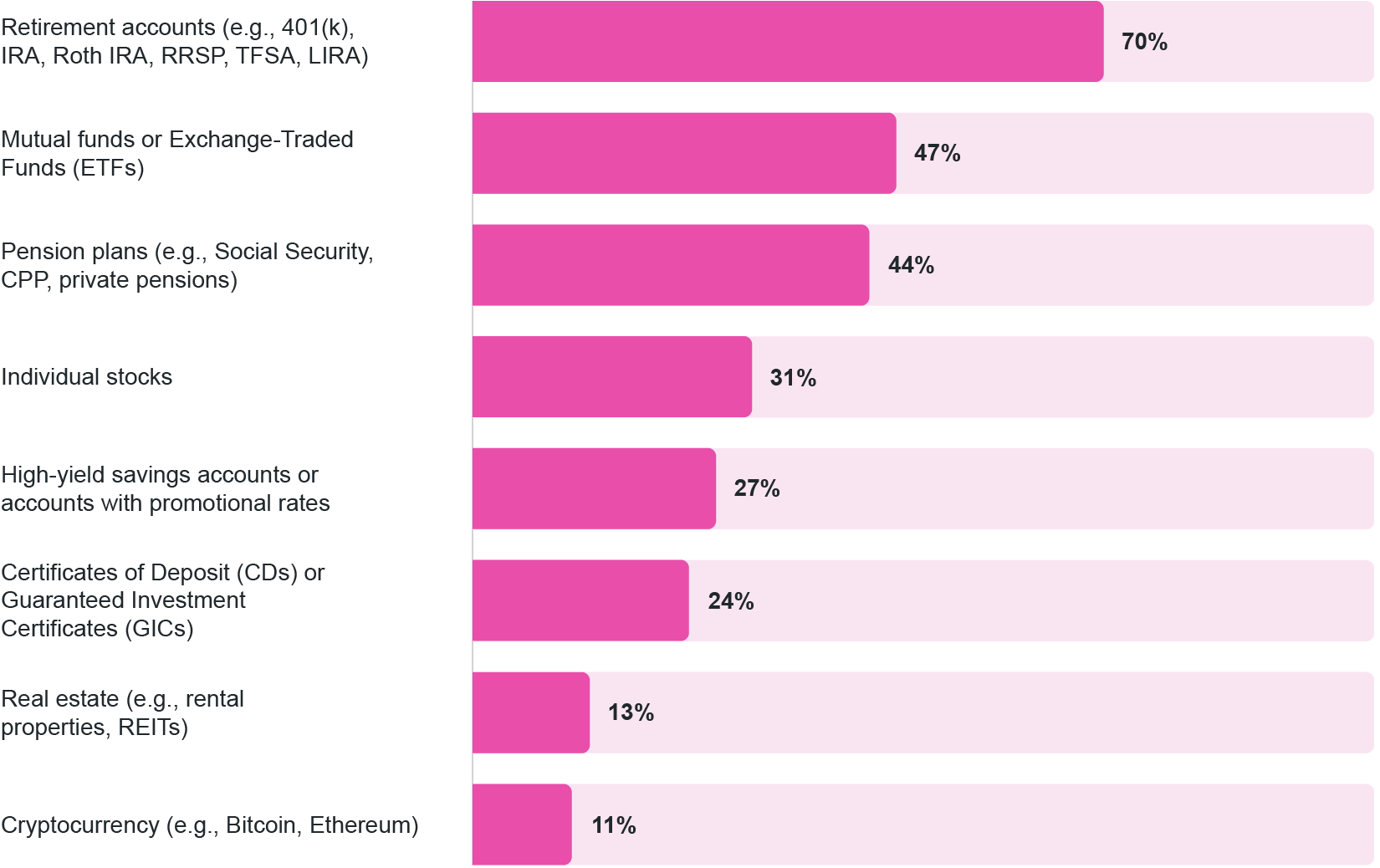
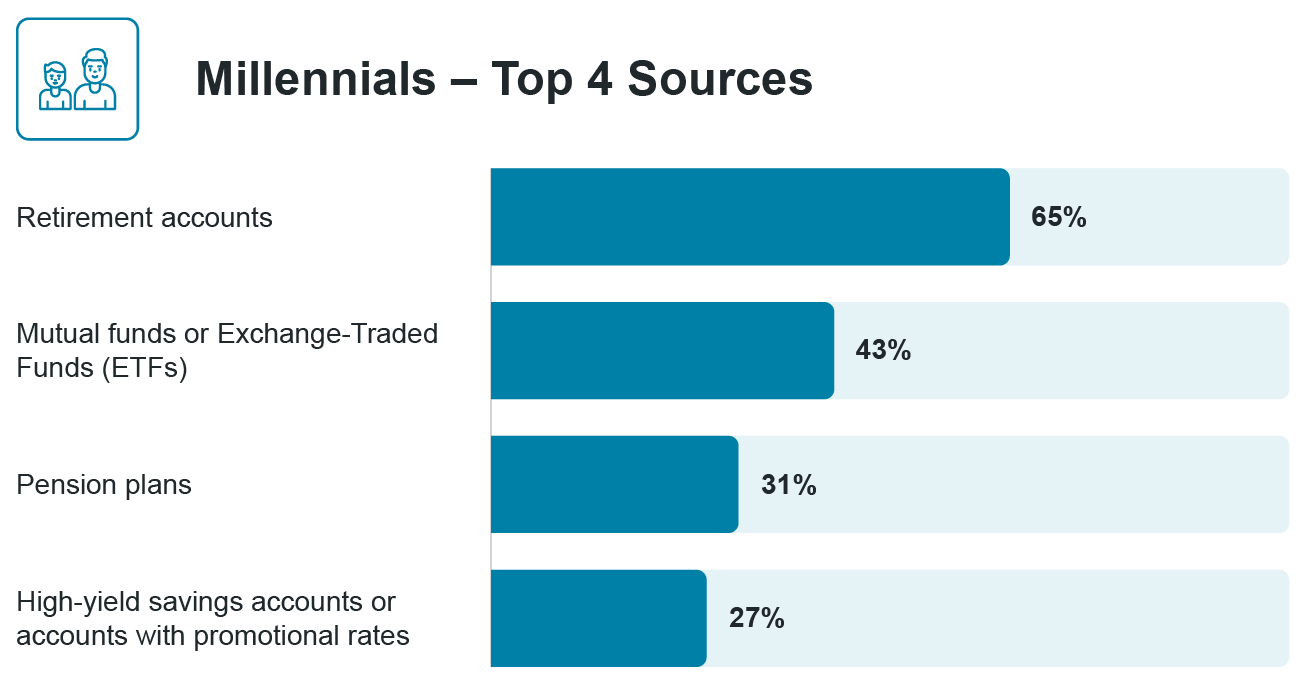
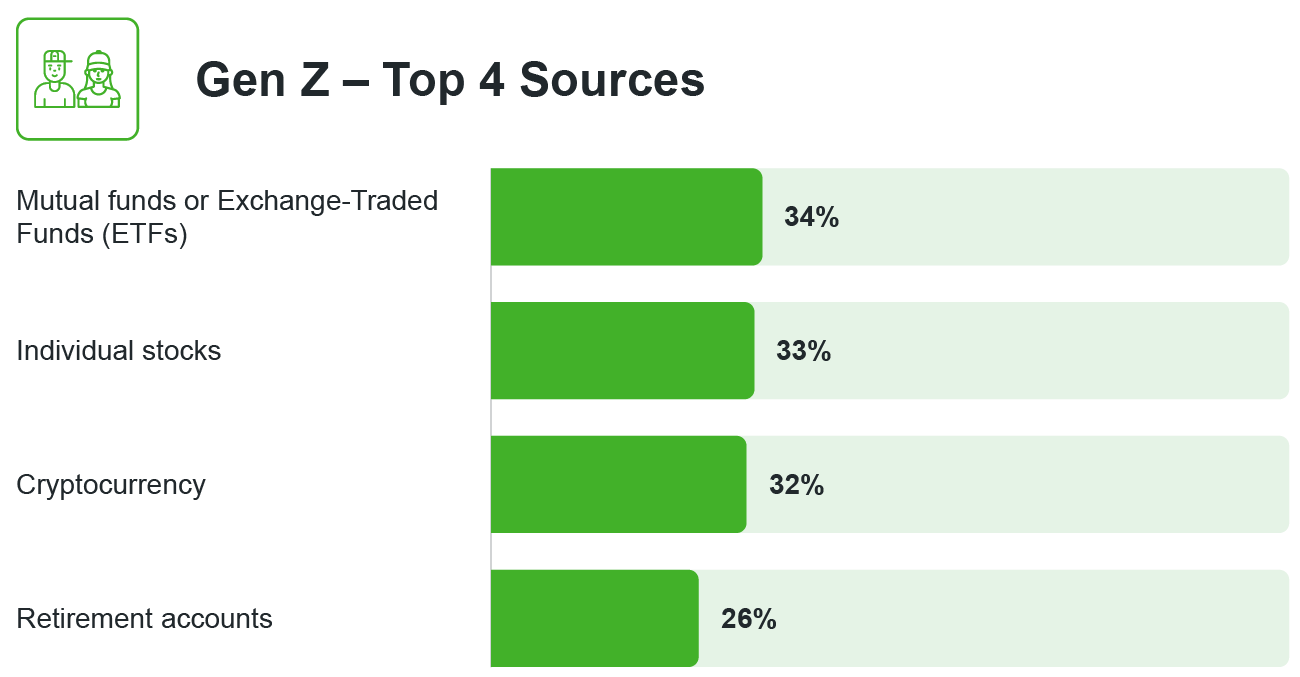
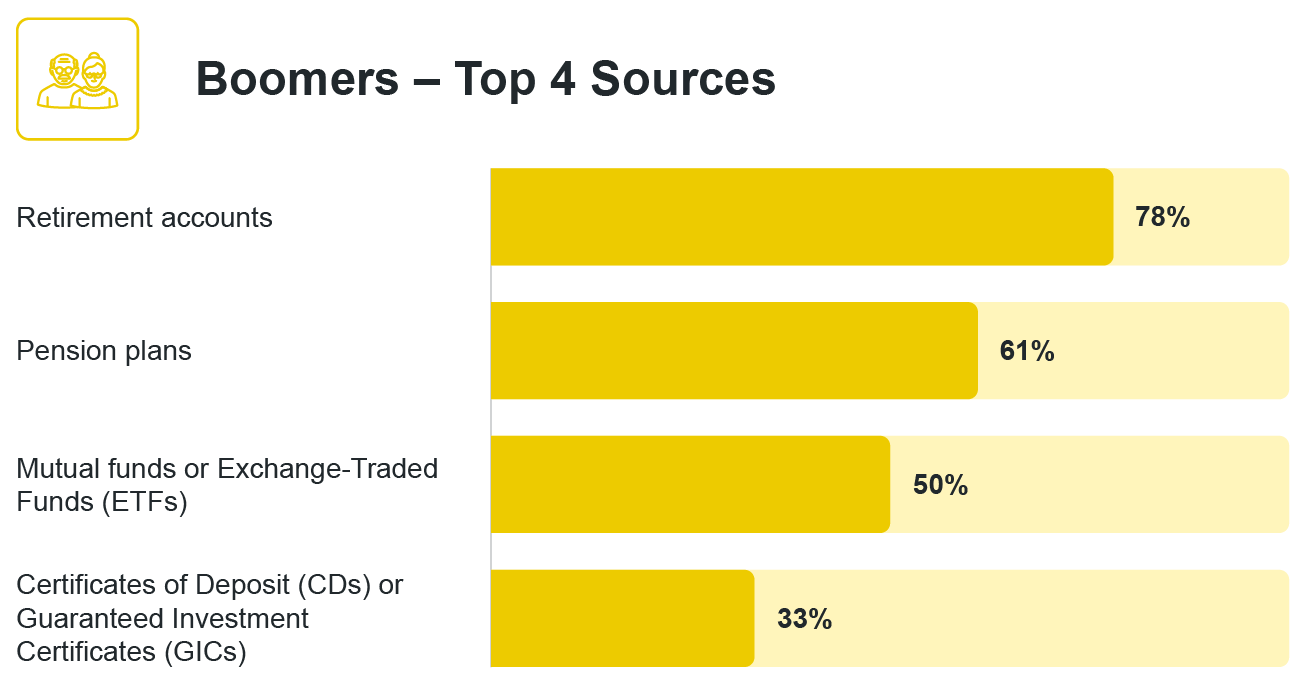
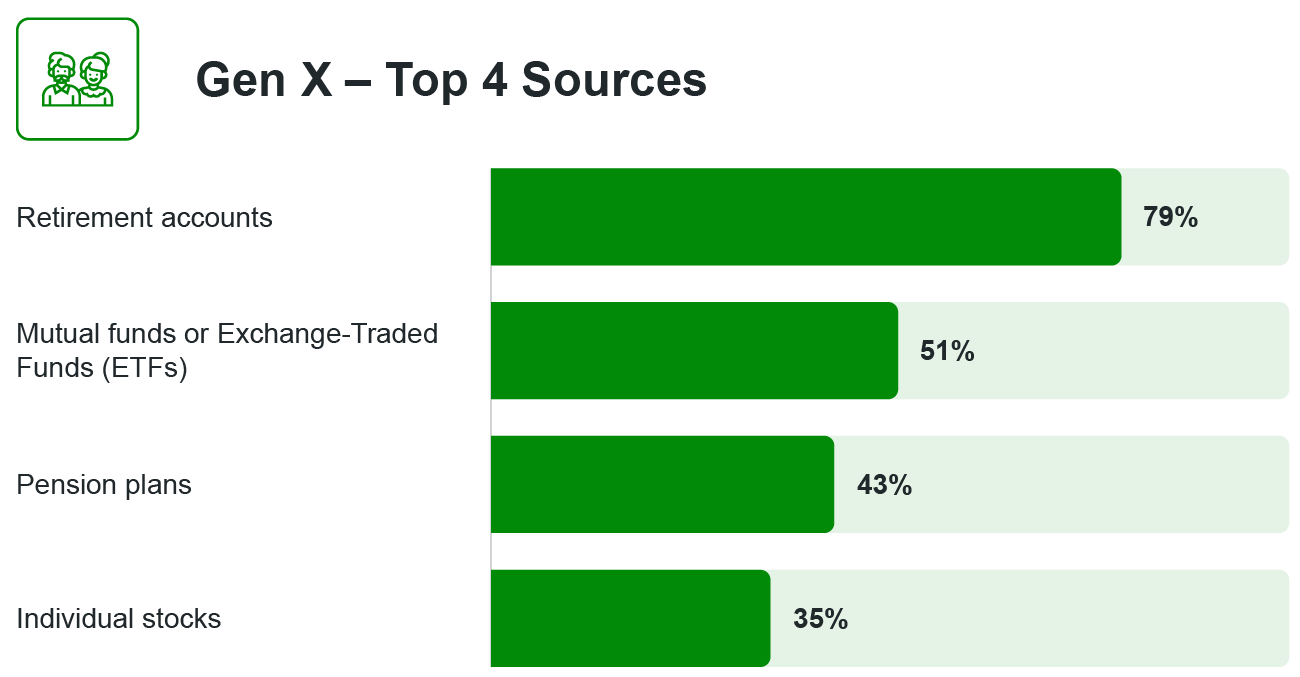
What’s in Canadians' Portfolios Right Now: Investments by Generation
Just under half of Canadians feel a sense of loyalty to their primary bank with this sentiment being highest for Boomers. Nearly six in ten Millennials, and half of Gen X worry they won’t ever fully retire.
Investments and Goals
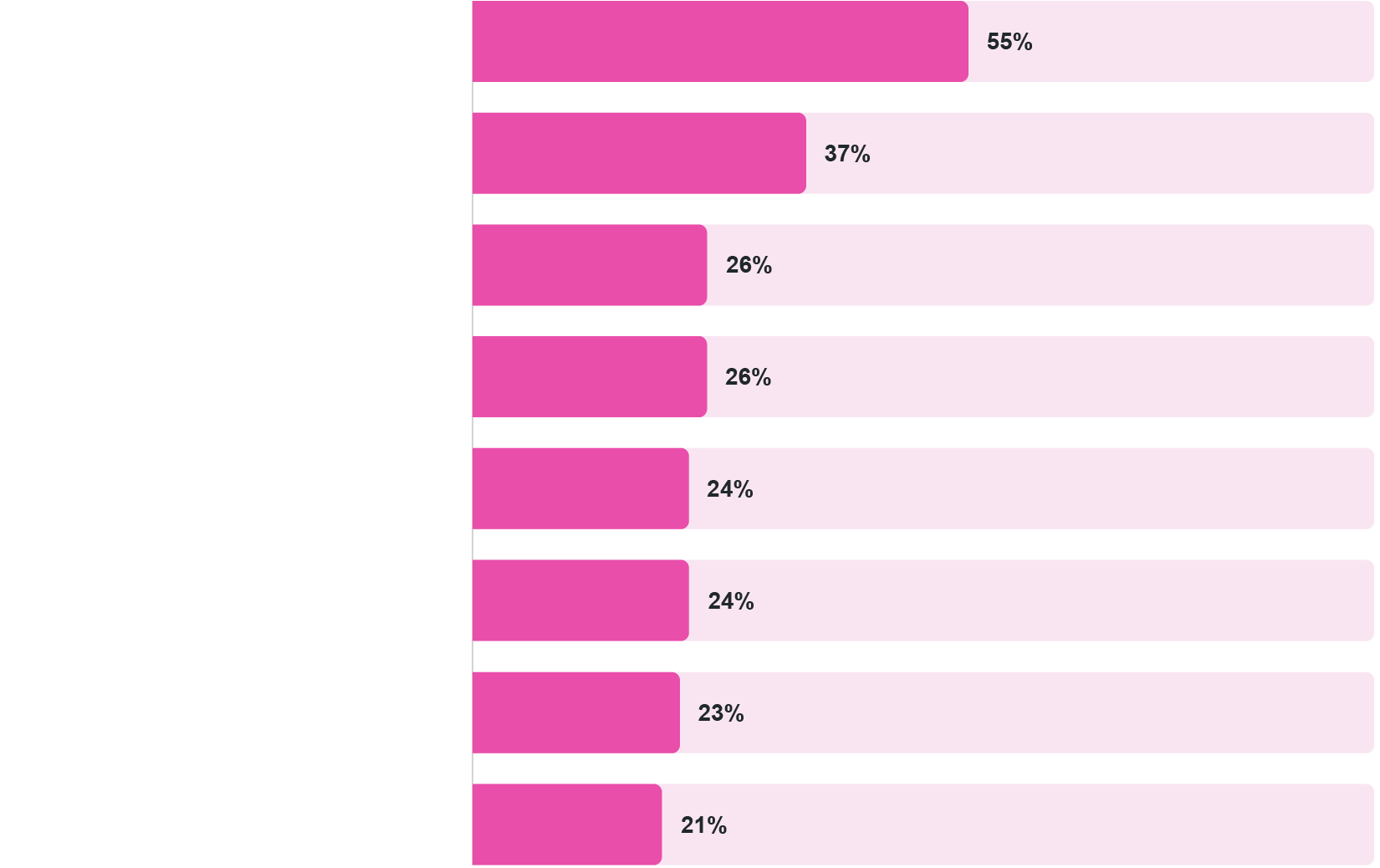
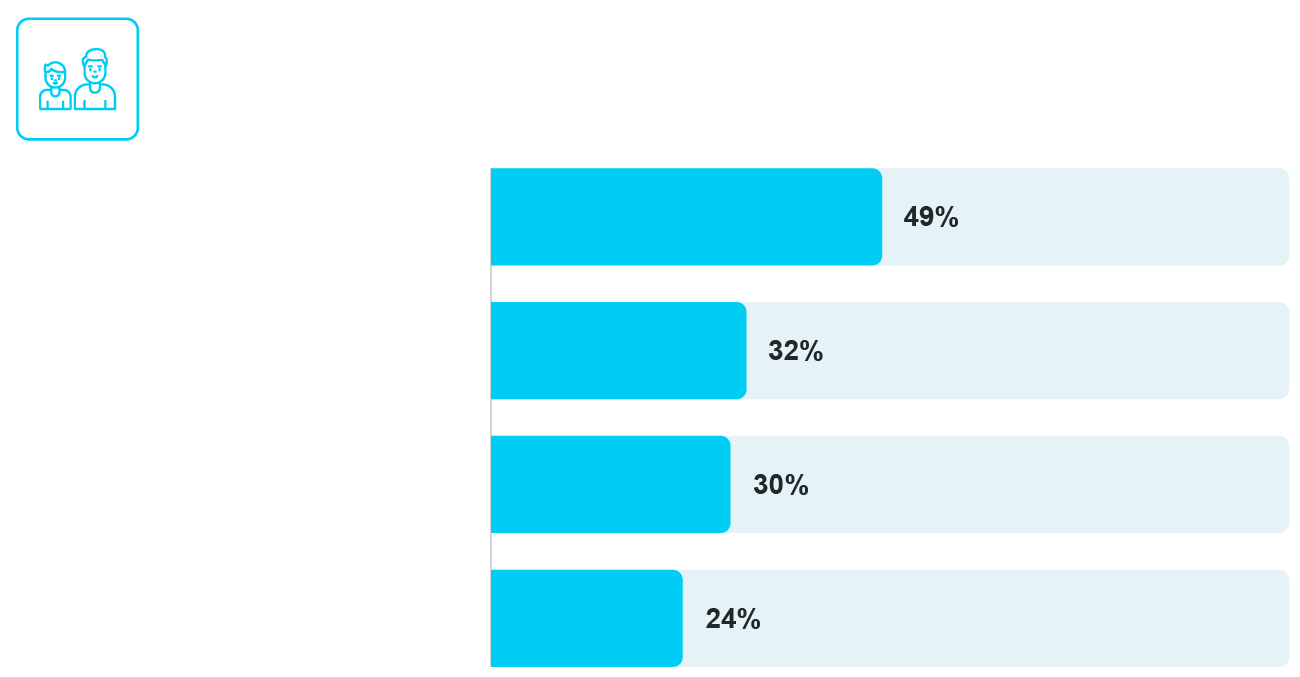
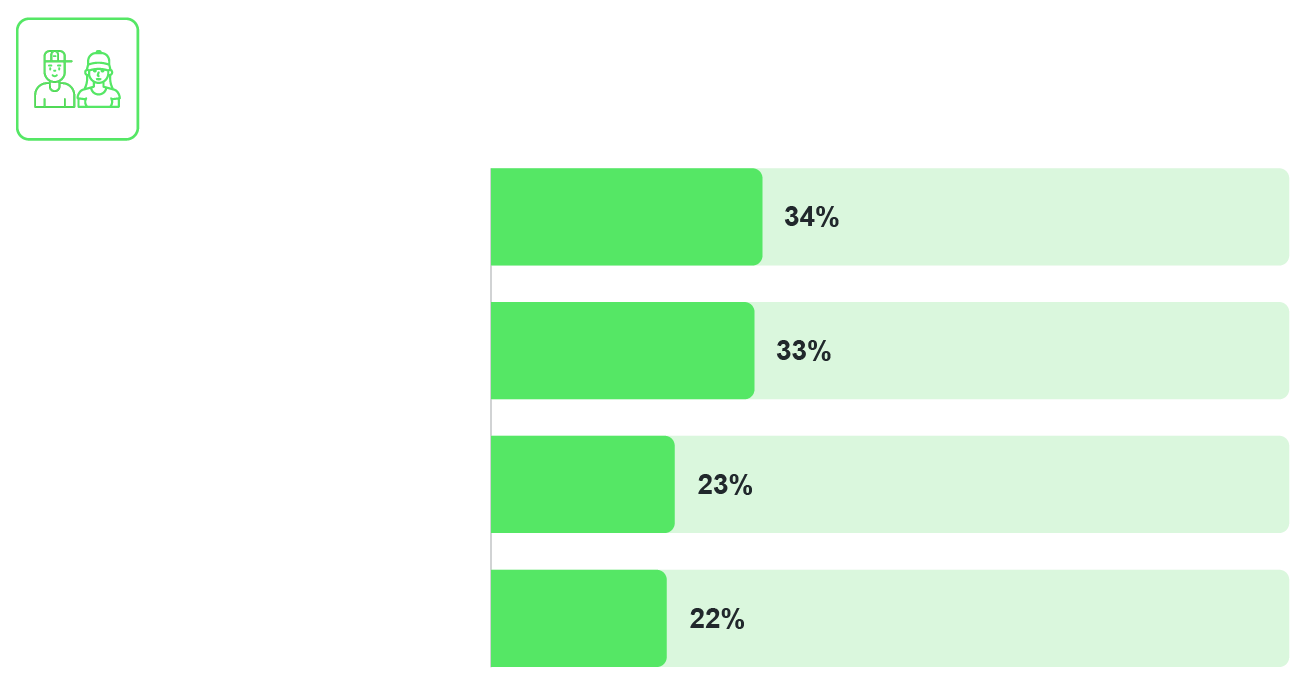
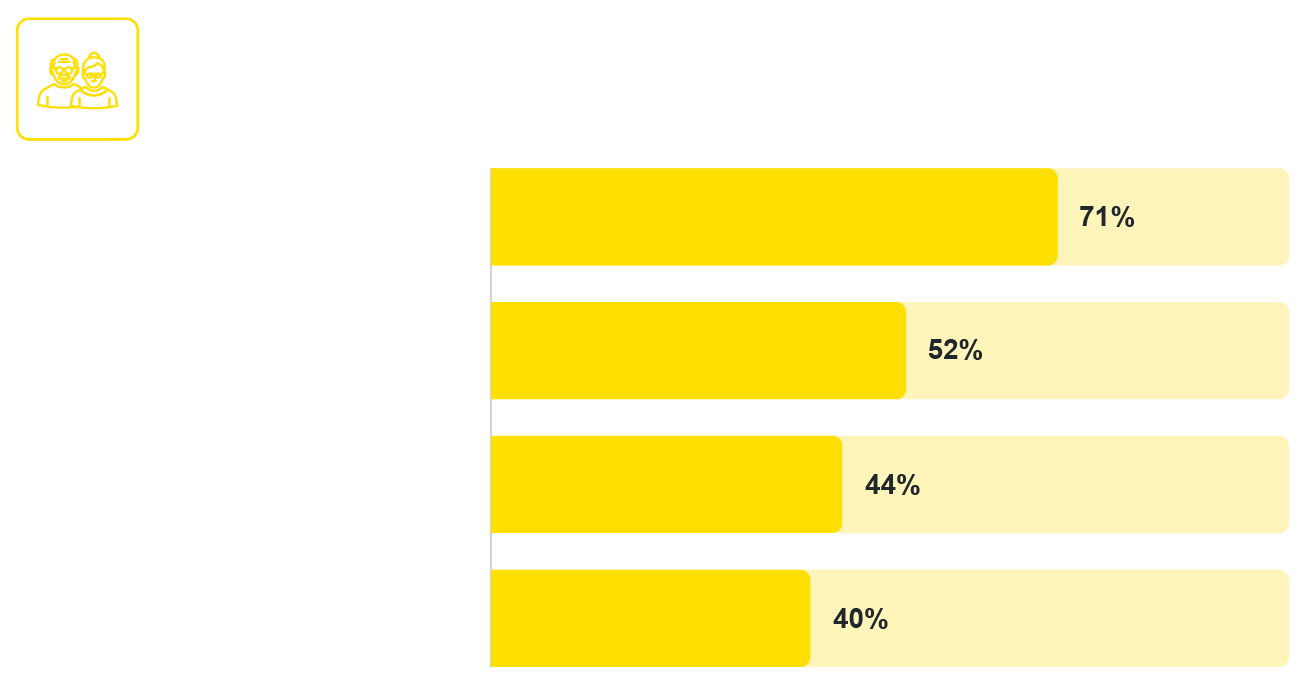
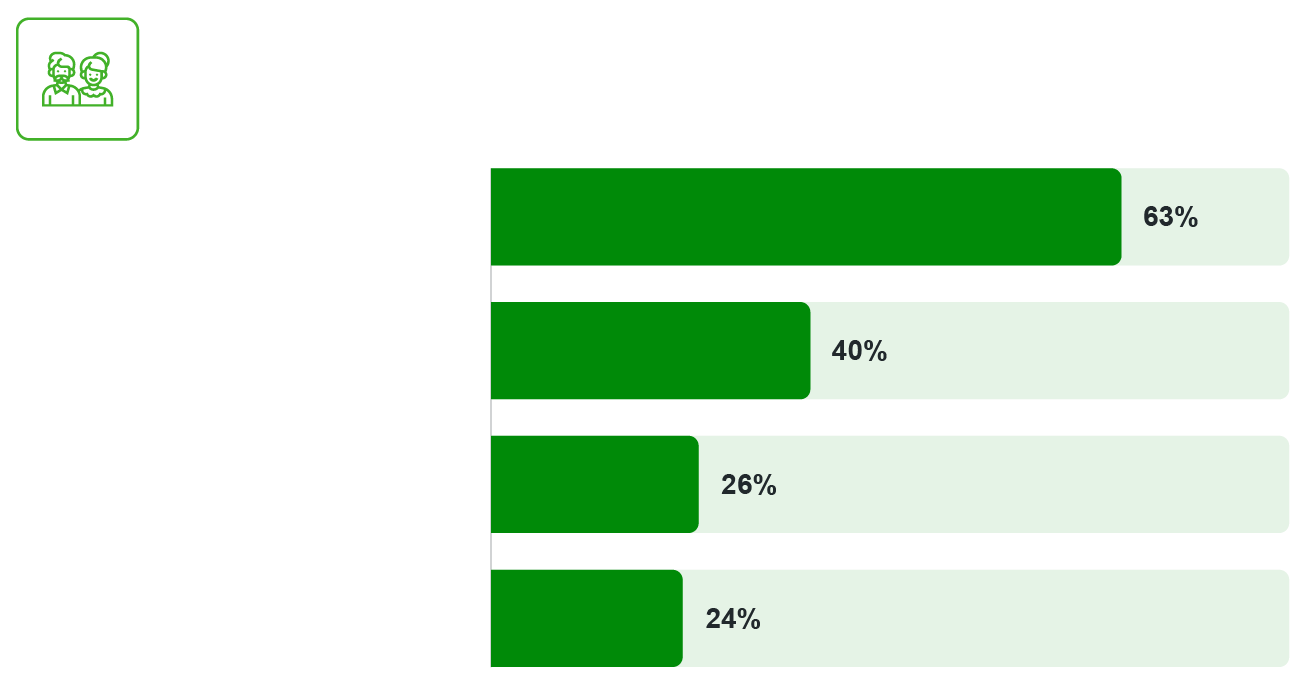
What’s in Americans' Portfolios Right Now: Investments by Generation
Just under half of Canadians feel a sense of loyalty to their primary bank with this sentiment being highest for Boomers. Nearly six in ten Millennials, and half of Gen X worry they won’t ever fully retire.
Investments and Goals
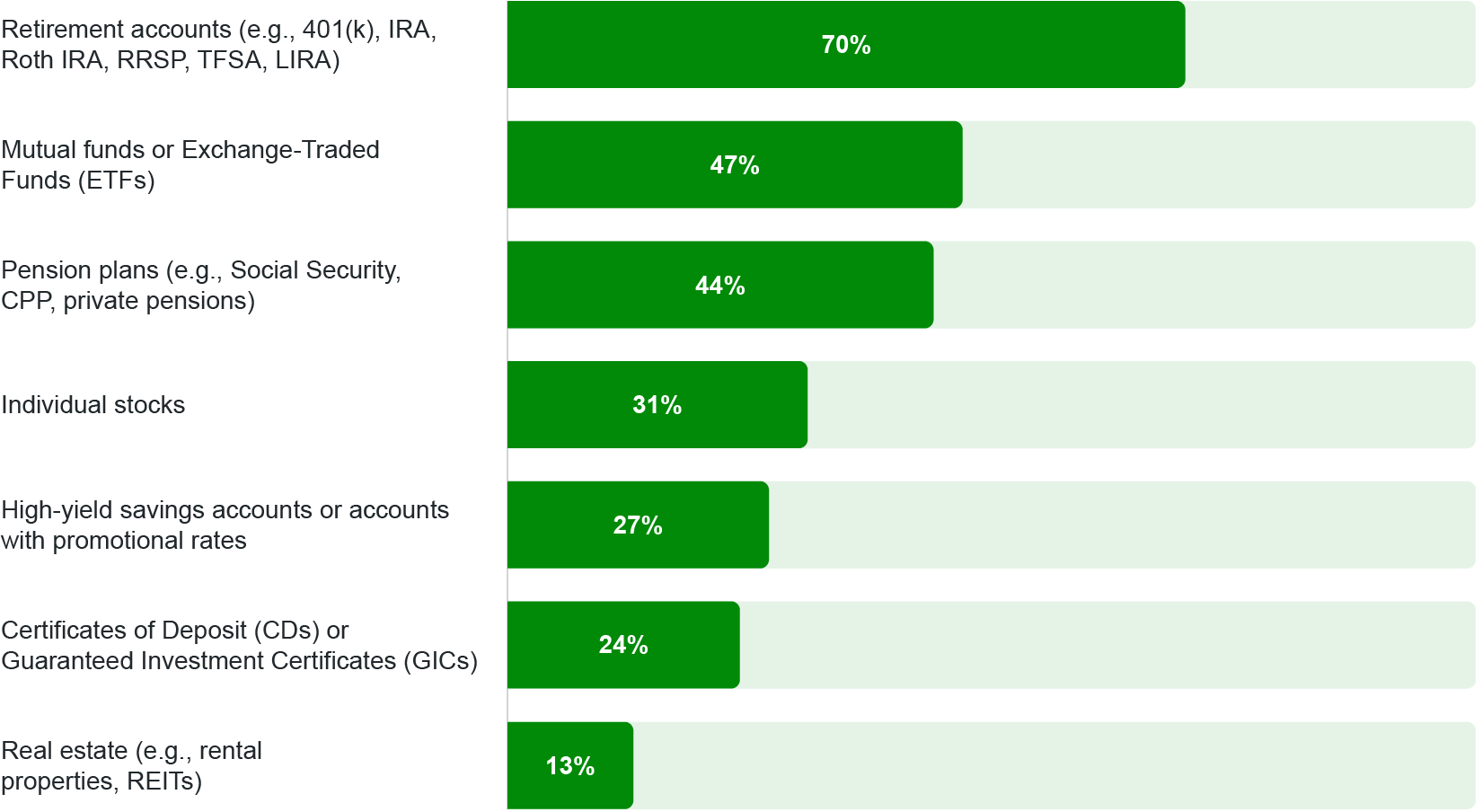
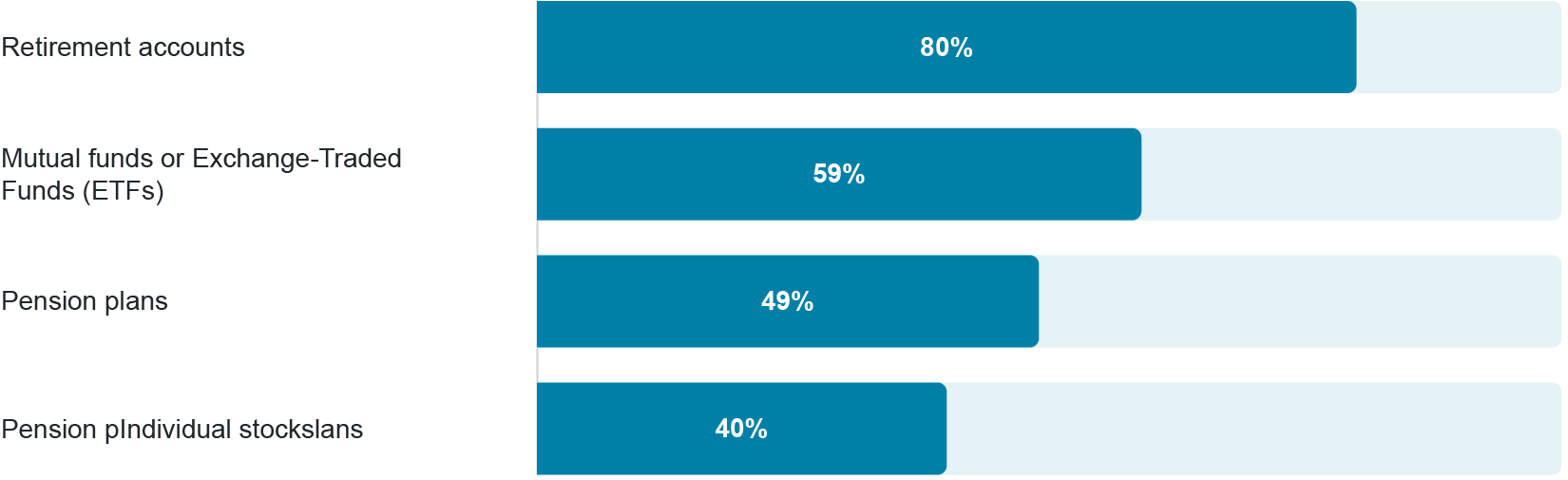
What’s in Canadians' Portfolios Right Now: Investments by Income
Just under half of Canadians feel a sense of loyalty to their primary bank with this sentiment being highest for Boomers. Nearly six in ten Millennials, and half of Gen X worry they won’t ever fully retire.
Annual Income of $180,000 and Up
Investments and Goals
What’s in Americans' Portfolios Right Now: Investments by Income
Just under half of Canadians feel a sense of loyalty to their primary bank with this sentiment being highest for Boomers. Nearly six in ten Millennials, and half of Gen X worry they won’t ever fully retire.
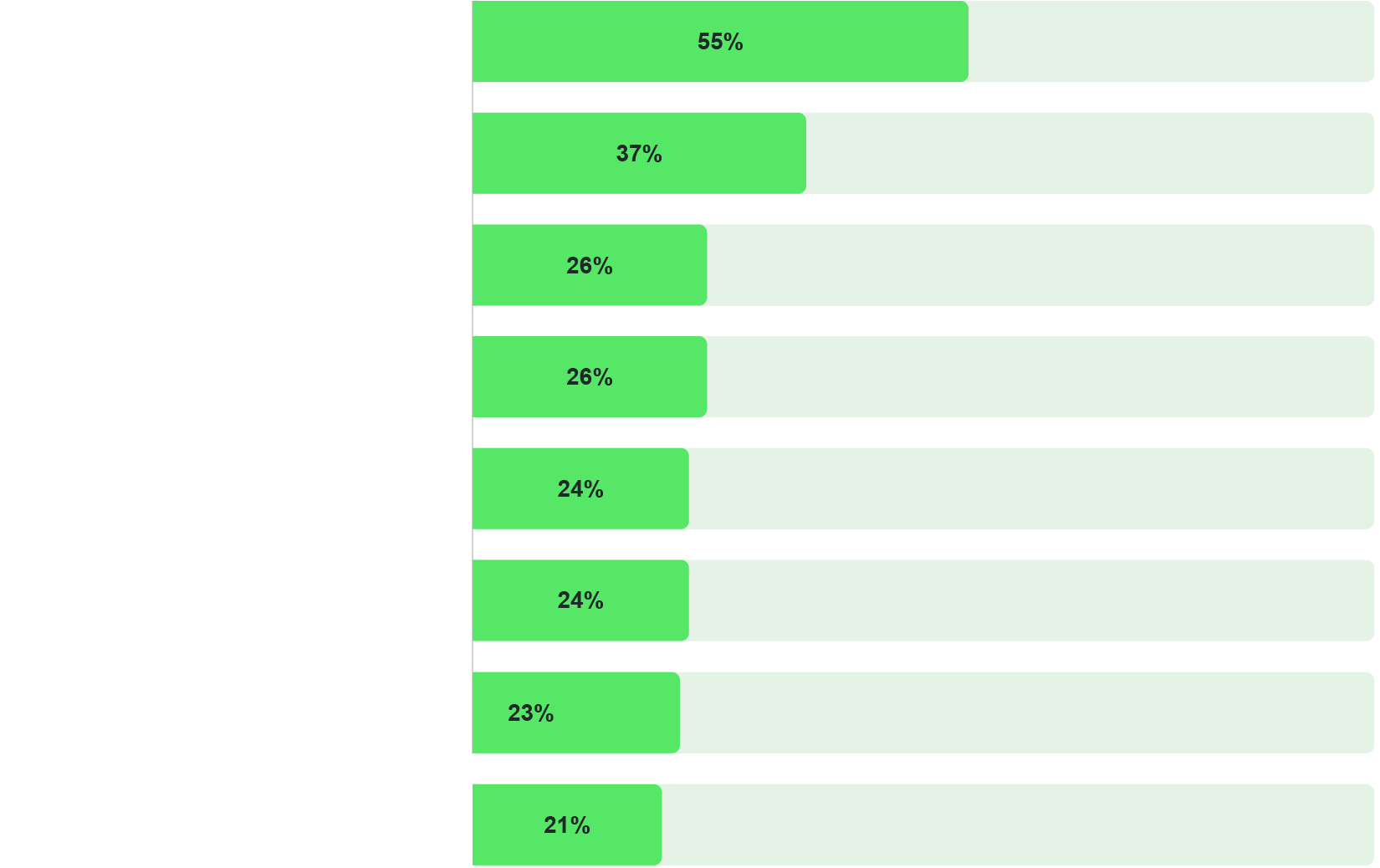
Annual Income of $180,000 and Up

Investments and Goals
What Are Canadians' Top Financial Goals?
US respondents feel loyalty at a similar rate to Canadians, again the strongest sentiment being highest for Boomers. American respondents also mirror Canadian Millennials, and Gen Xers who worry they won’t ever fully retire.
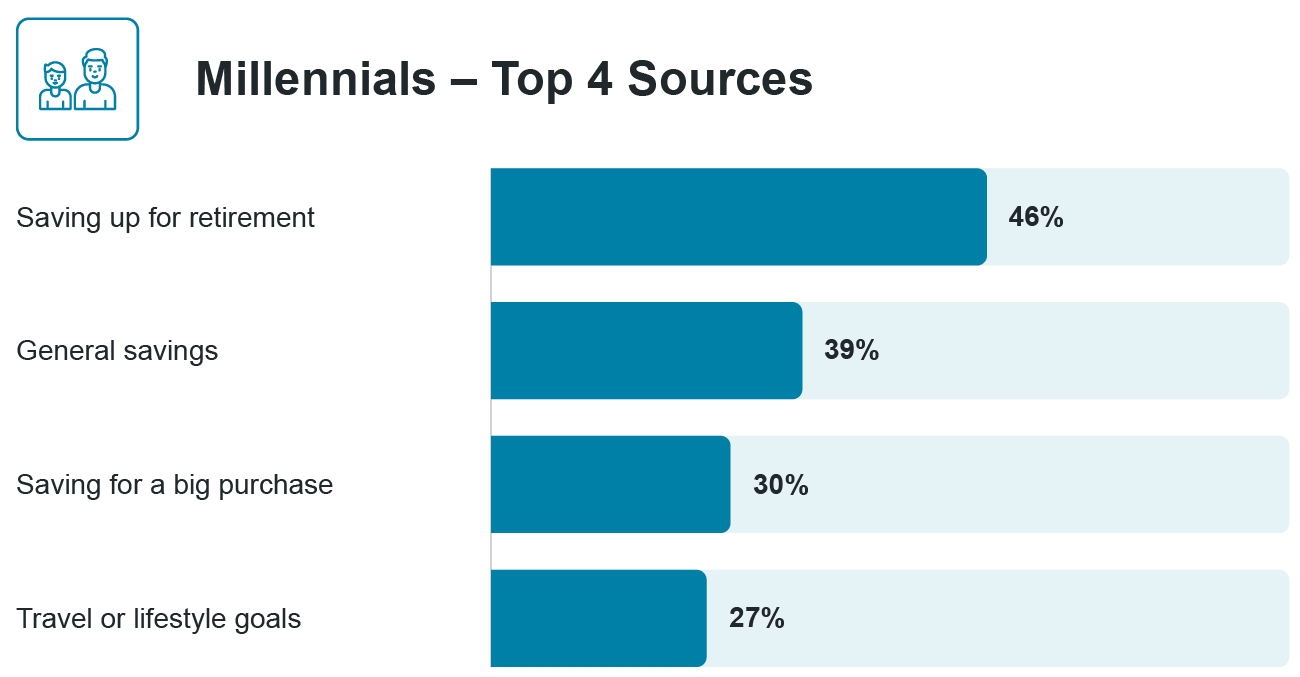
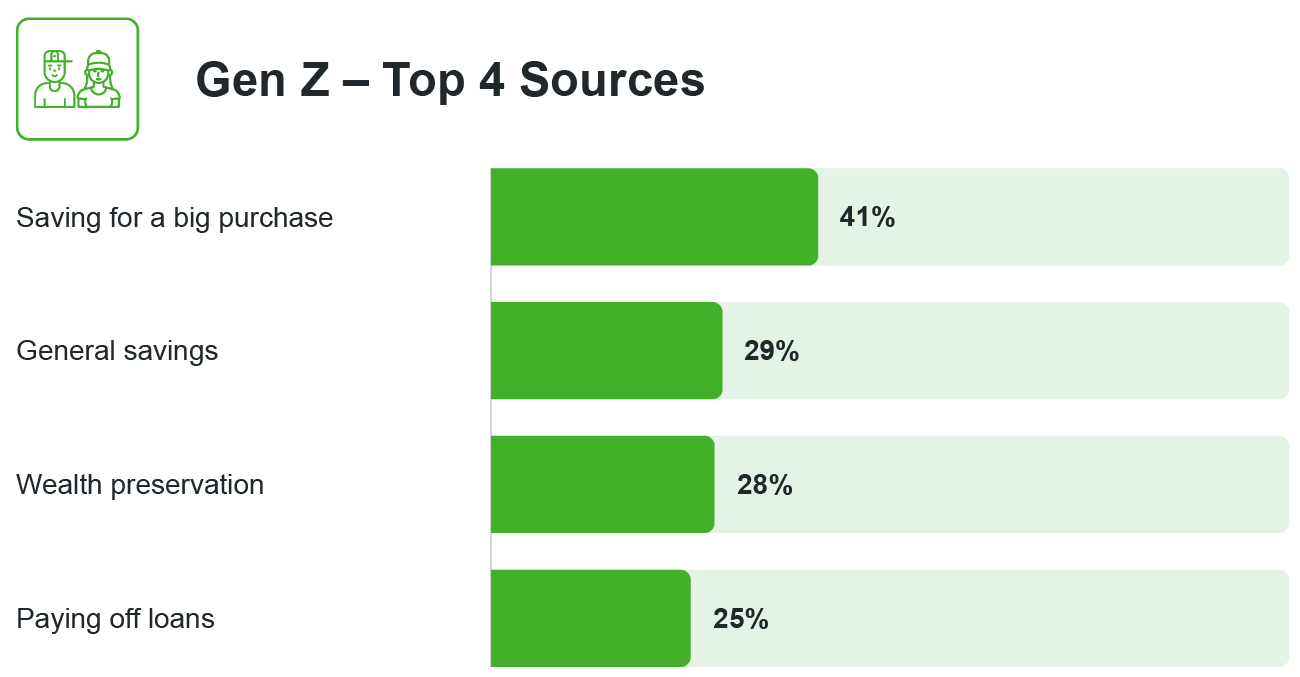
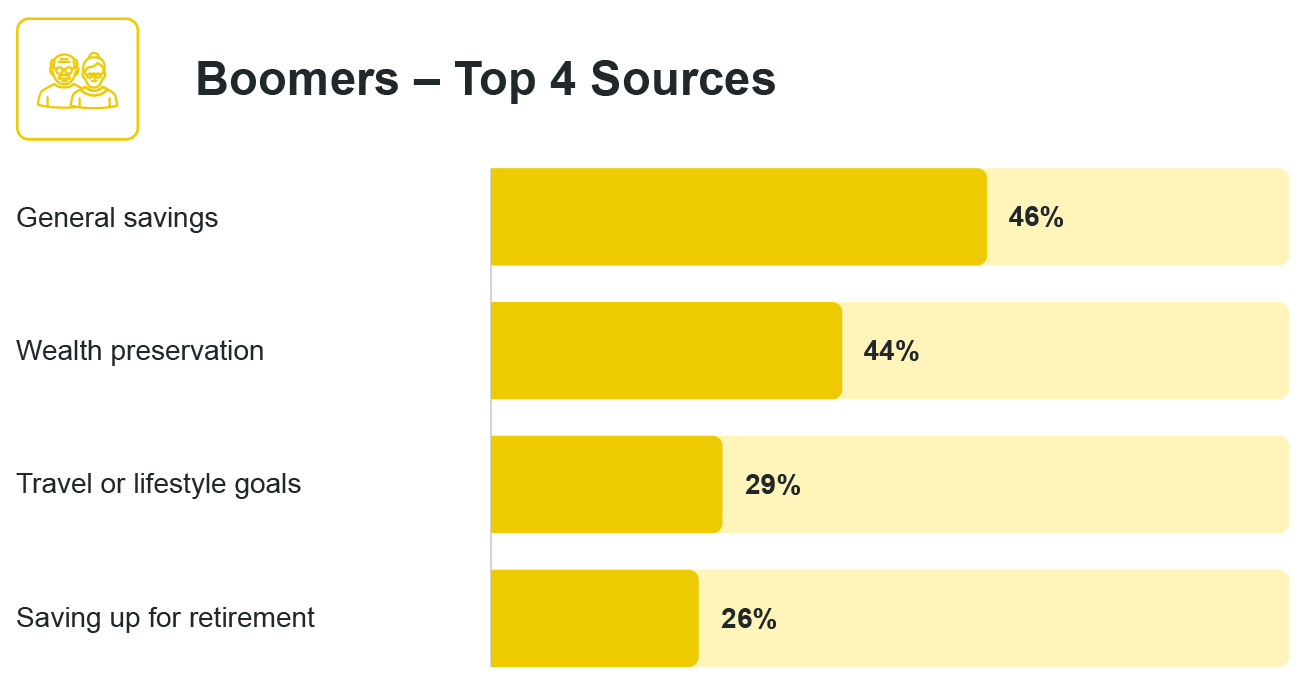
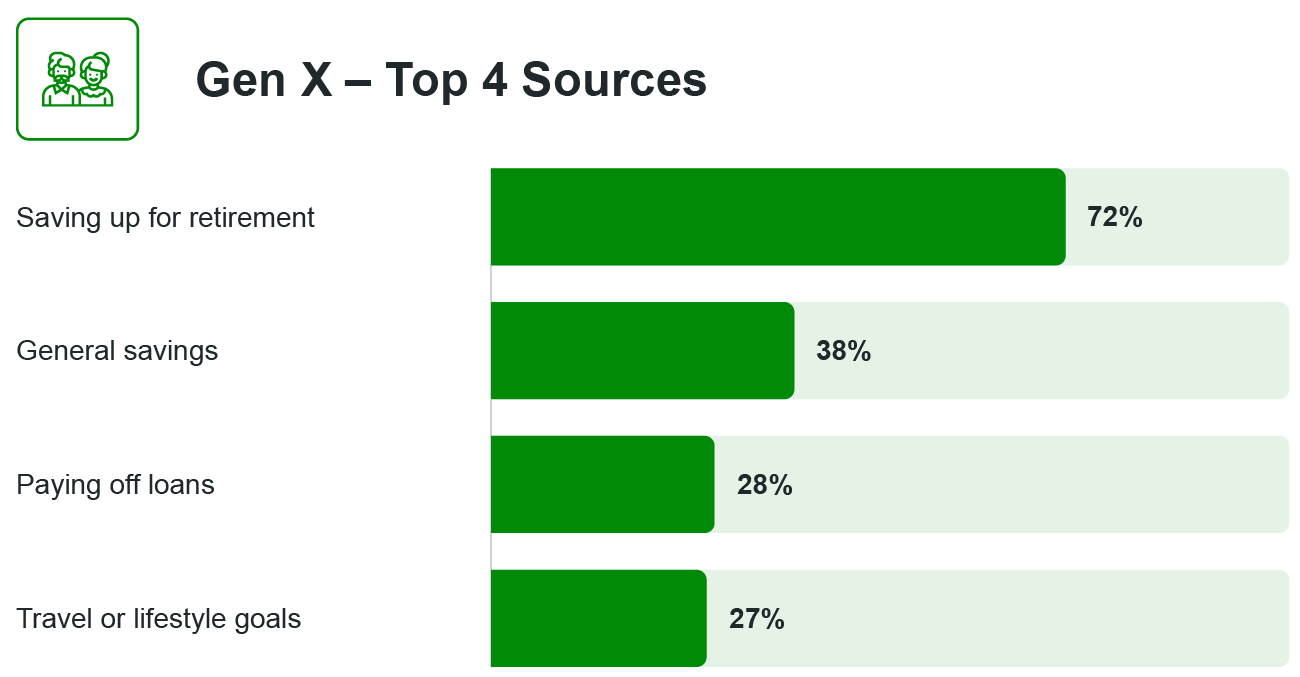
Investments and Goals
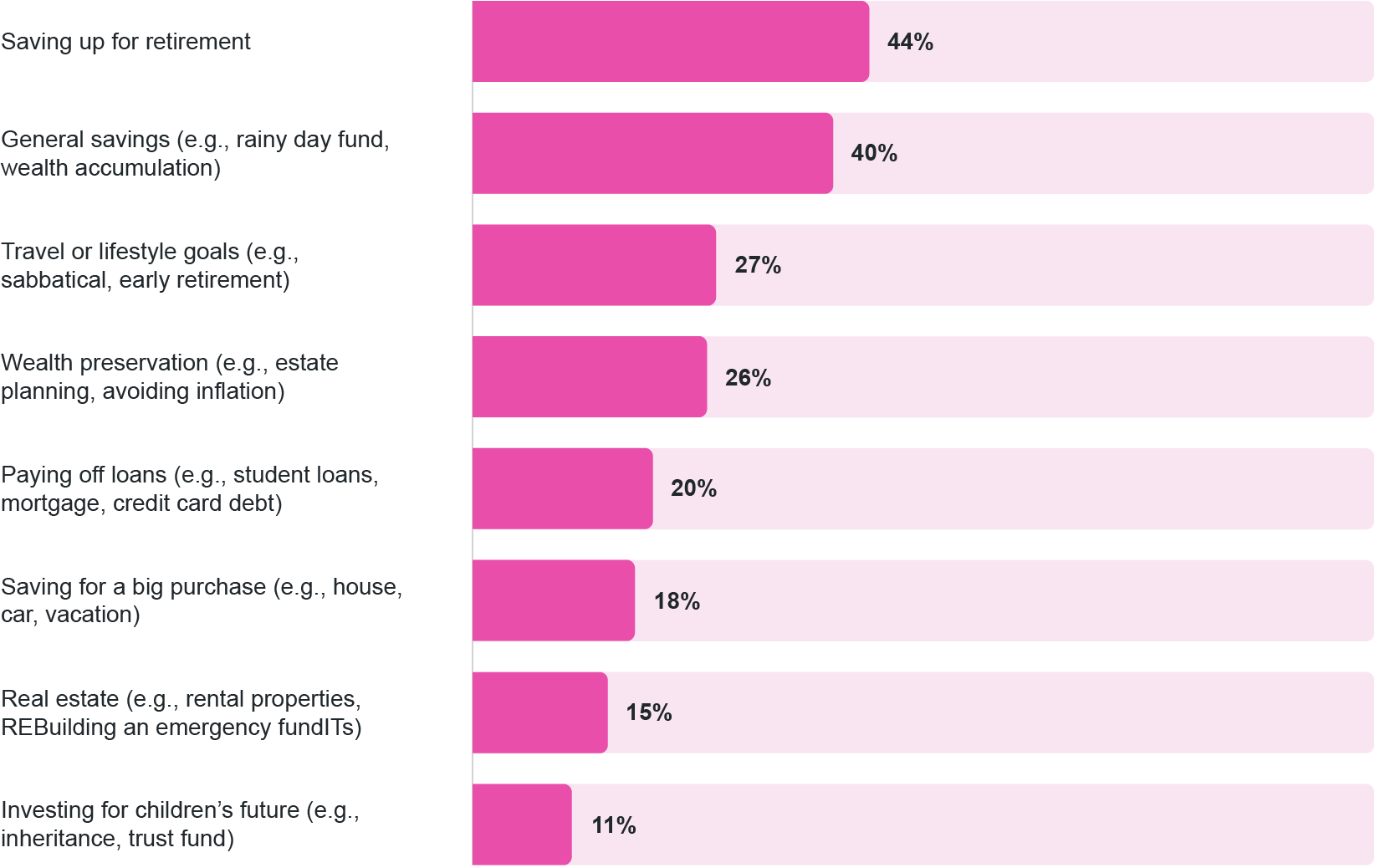
What Are Americans' Top Financial Goals?
US respondents feel loyalty at a similar rate to Canadians, again the strongest sentiment being highest for Boomers. American respondents also mirror Canadian Millennials, and Gen Xers who worry they won’t ever fully retire.
Investments and Goals
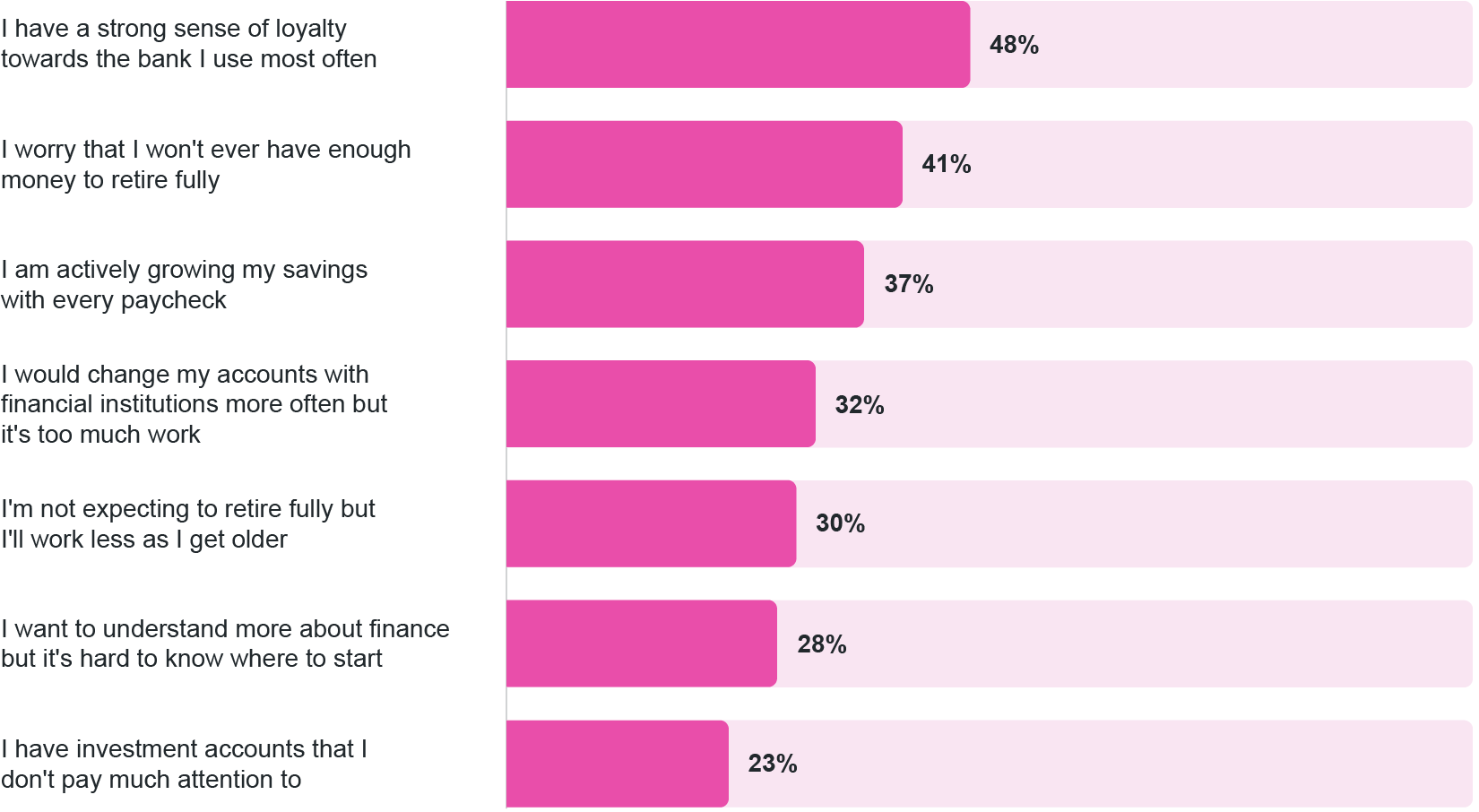
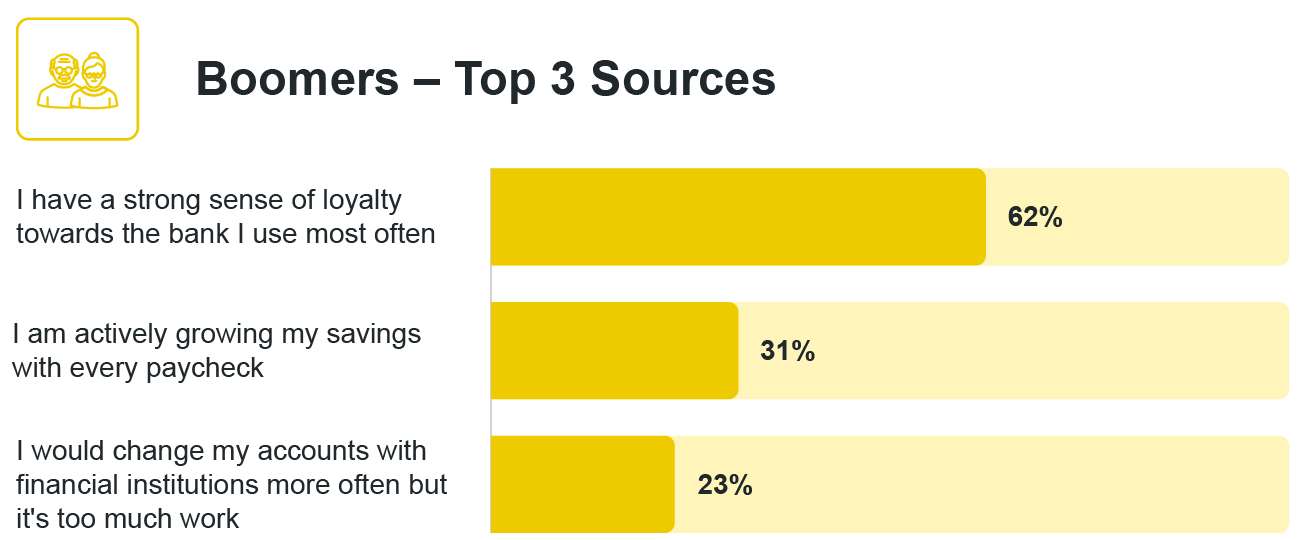
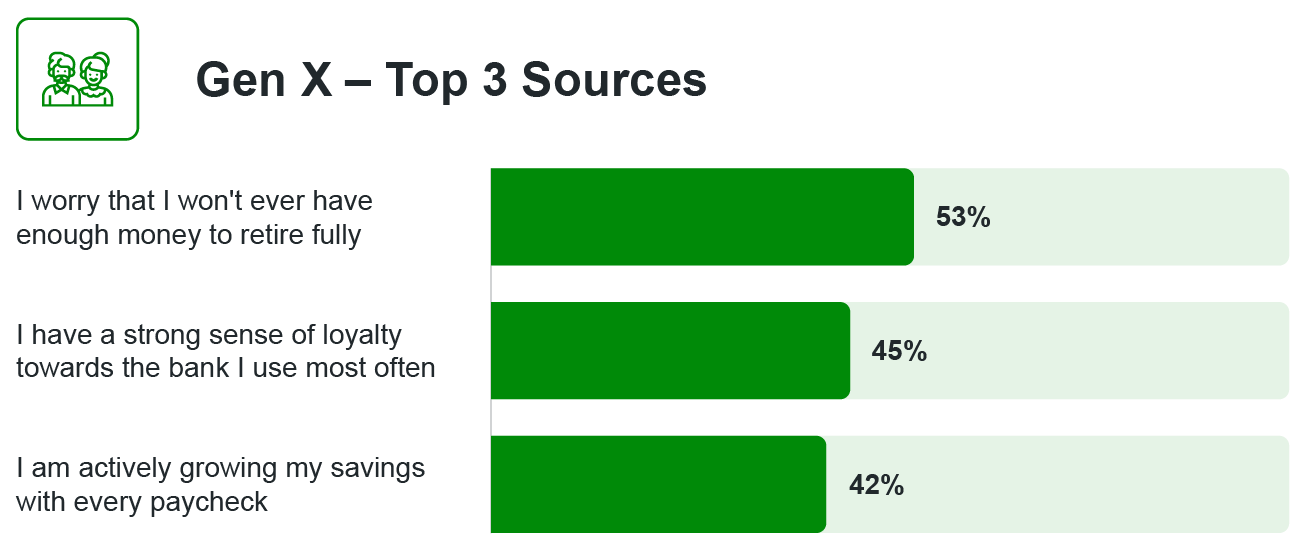
Canadian Financial Attitudes Across Generations
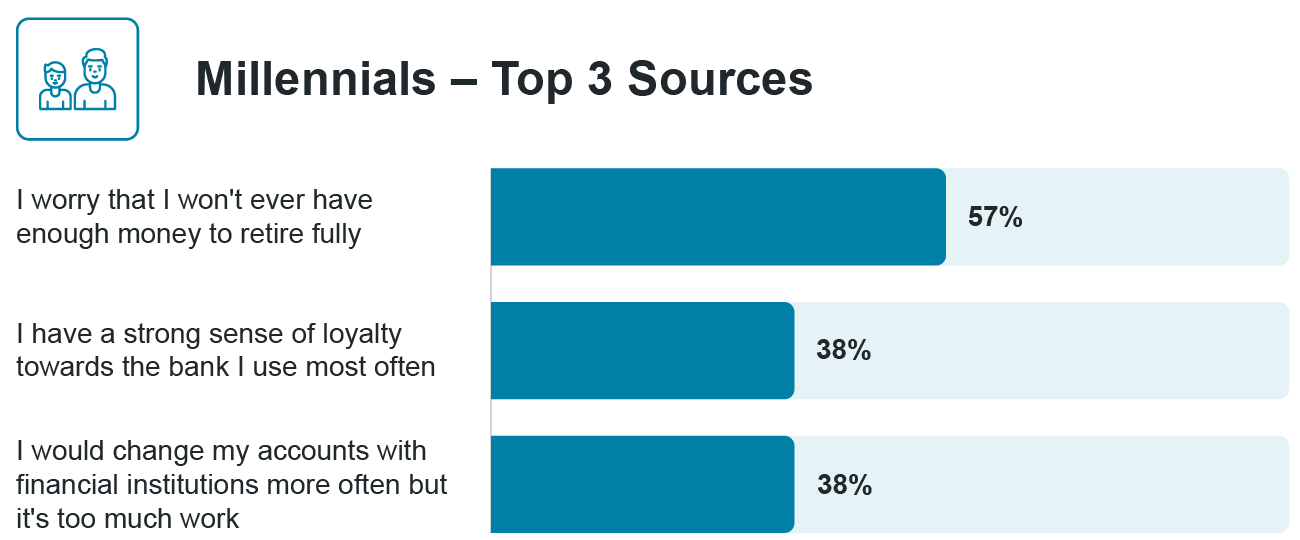
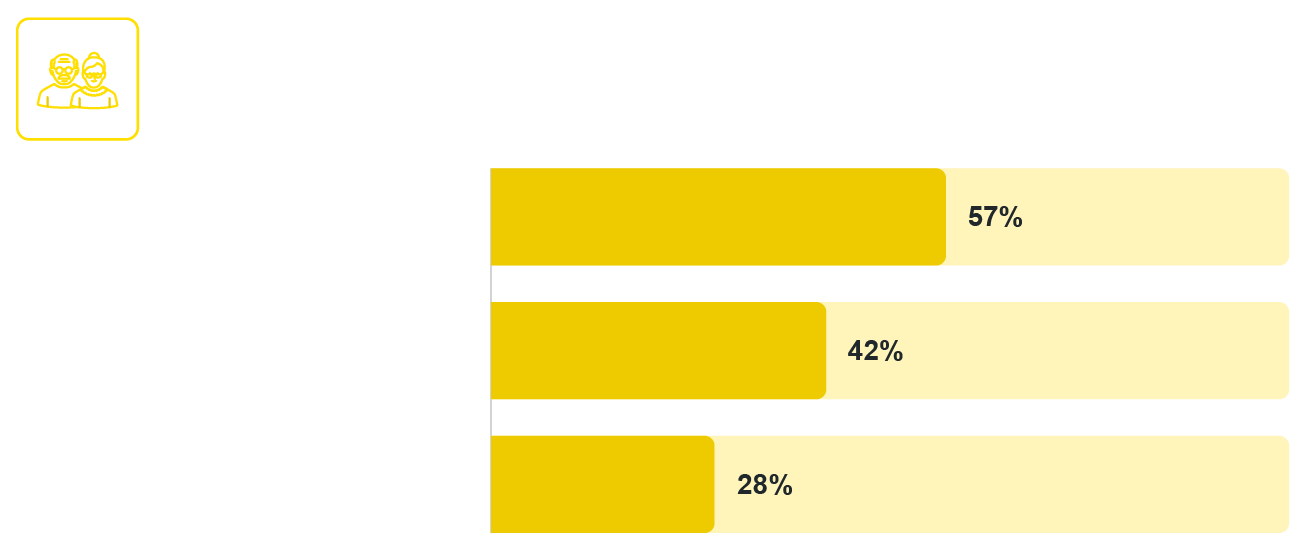
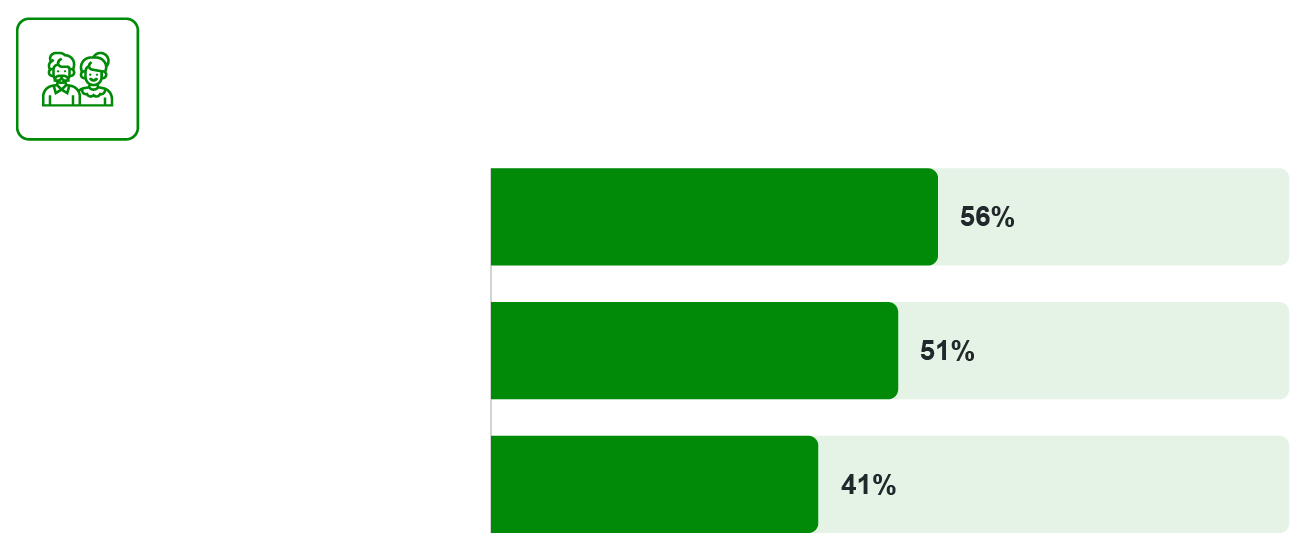
Just under half of Canadians feel a sense of loyalty to their primary bank with this sentiment being highest for Boomers. Nearly six in ten Millennials, and half of Gen X worry they won’t ever fully retire.
Investments and Goals
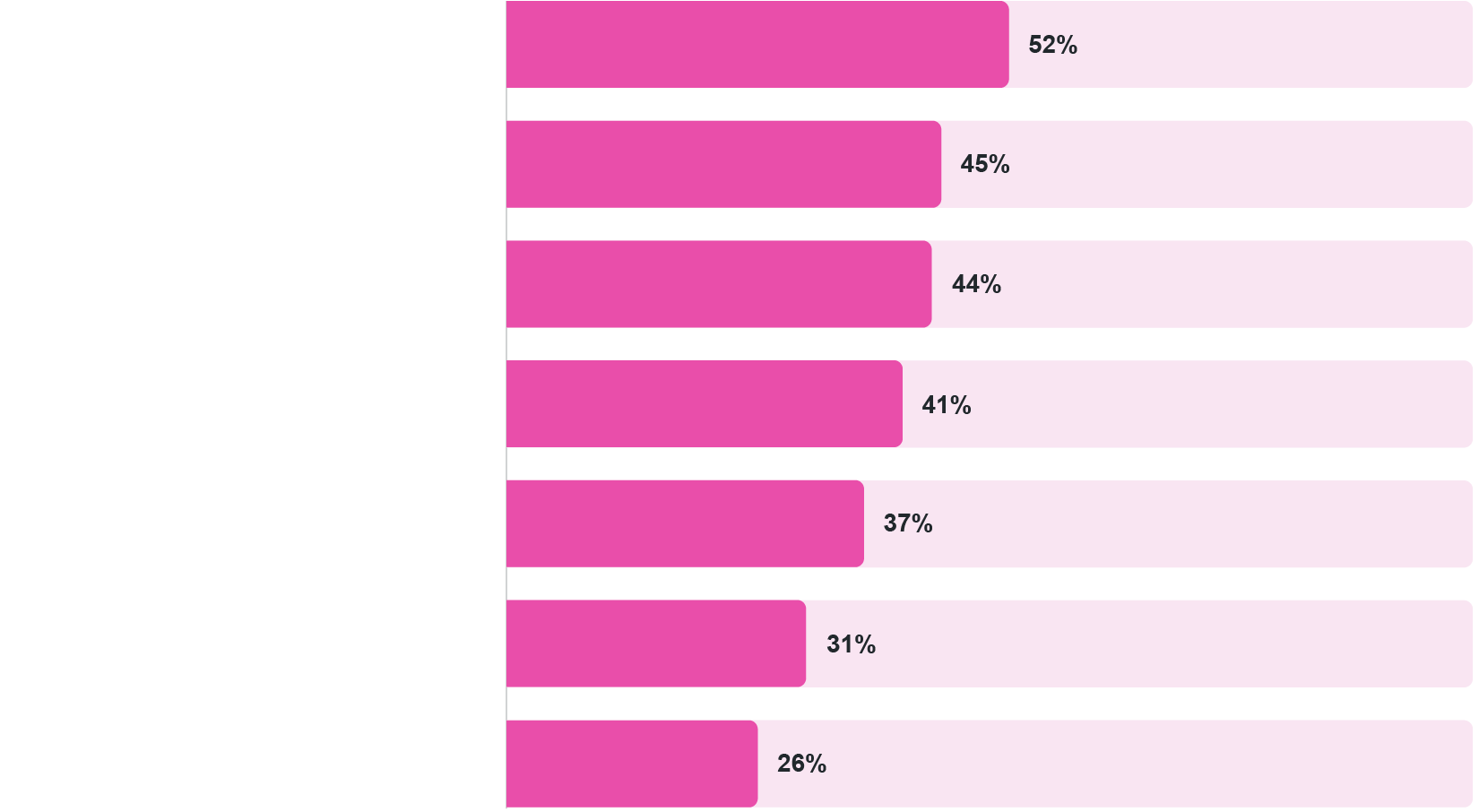
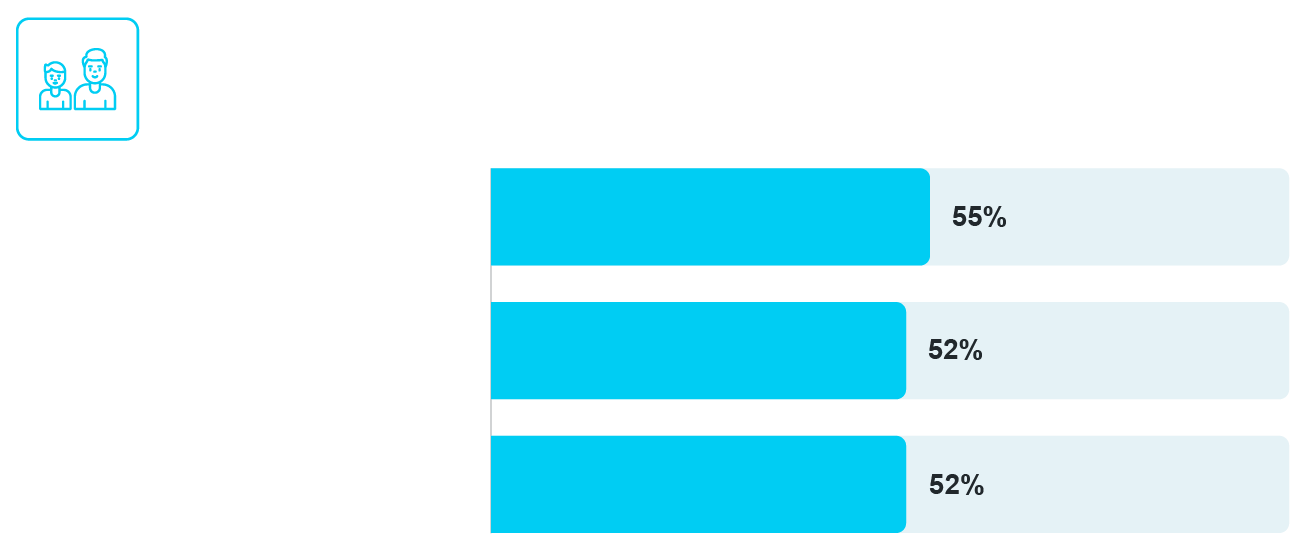
American Financial Attitudes Across Generations
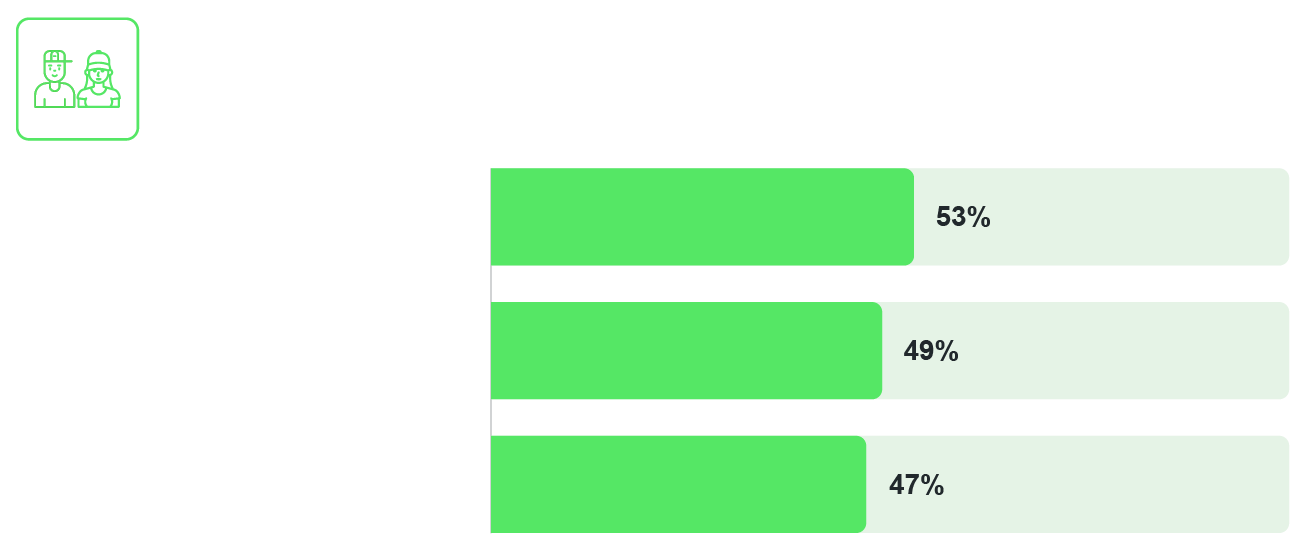
US respondents feel loyalty at a similar rate to Canadians, again the strongest sentiment being highest for Boomers. American respondents also mirror Canadian Millennials, and Gen Xers who worry they won’t ever fully retire.
Financial Products and Investments
How Financial Institutions and Insight Teams Can Use This Data
Look for What Is Changing, Not Just What Is True
- The real value of this report comes from comparing what consumers are saying now with what they told us in 2025. Some attitudes are holding steady, while others are clearly shifting. Use the data to spot where concern is turning into action, especially when it comes to switching banks, trust in financial institutions, and expectations around retirement.
- These changes often show up first at the edges, within younger generations or specific regions, before becoming more widespread.
Use the Findings to Challenge Internal Assumptions
- It is easy to assume that customers who stay are satisfied, or that providing more information automatically builds confidence. Our omnibus findings suggests the reality is more complex.
- Use the insights in this report to start conversations across teams:
- Ask whether loyalty is driven by trust or simply by effort.
- Consider whether current education tools truly help people feel more confident about their finances.
- Look at whether trust is being built in the same way for every generation, or if expectations differ more than anticipated.
Bring a Consumer Lens to Segmentation and Experience Design
- The data shows clear differences in how people of different ages think about financial advice, switching institutions, and long-term goals. These differences can help insight teams refine how they think about customer segments and prioritize experience improvements.
This is especially useful when reviewing customer journeys or planning updates to products and services. What works for one group may feel irrelevant or frustrating to another.
Use the Insights to Inform Future Planning
As teams plan for the rest of 2026, this report can help ground decisions in how consumers feel about their financial future. Concerns about retirement, loyalty, and financial confidence are not abstract. They shape how people save, invest, and choose financial partners.
Use these findings to support scenario planning, concept development, or follow-up research that digs deeper into the motivations behind the numbers.
Treat This Report as a Starting Point
- This omnibus provides a broad view of the current landscape. It can help highlight where more focused research may be needed, whether that is qualitative exploration, deeper segmentation work, or testing new ideas with specific audiences.
- By using this report as a foundation, insight teams can move from understanding what is happening to deciding what to do next.
Ready to turn these insights into action? Connect with us today to better understand your audience and create solutions that resonate.


